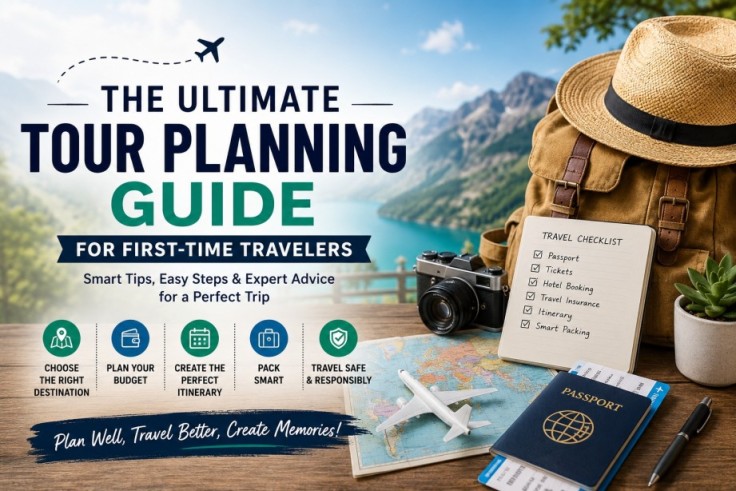
Planning your first tour is exciting, but it can also feel overwhelming. From choosing the right destination to booking accommodation and packing efficiently, every decision plays a role in creating a memorable travel experience. The good news is that a little preparation goes a long way.
Whether you’re planning a weekend getaway, a family vacation, or an international adventure, following a structured travel plan can help you save money, avoid common mistakes, and enjoy your trip with confidence.
If you’re looking for professionally designed itineraries and customized travel experiences, YoYo Trips India offers a variety of tour packages tailored to different travel styles, budgets, and interests.
How Do You Plan a Tour?
Planning a tour involves choosing a destination, setting a budget, booking transportation and accommodation, creating a practical itinerary, preparing travel documents, packing wisely, and understanding local customs. A well-planned trip minimizes stress and allows you to focus on enjoying the journey.
Key Takeaways
- Define the purpose of your trip before choosing a destination.
- Set a realistic budget that includes emergency expenses.
- Book transportation and accommodation early for better prices.
- Keep your itinerary balanced with sightseeing and relaxation.
- Pack only what you need and prepare essential travel documents.
- Travel responsibly by respecting local culture and supporting local communities.
Why Tour Planning Matters
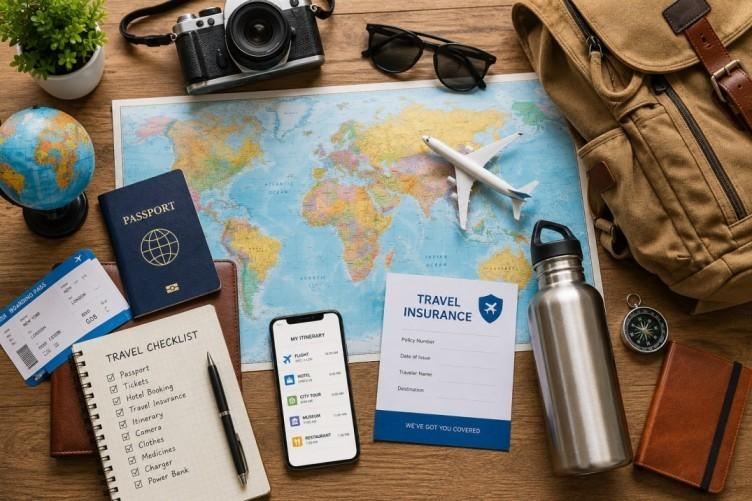
Tour planning is more than booking flights and hotels. It helps you organize every aspect of your trip, from budgeting and scheduling to safety and logistics.
A well-planned tour helps you:
- Save time and money
- Avoid last-minute stress
- Reduce unexpected travel issues
- Stay organized throughout your journey
- Make the most of your travel experience
Expert Tip: Travelers who start planning two to six months before departure often have more accommodation choices, better transportation options, and lower overall travel costs than those who book at the last minute.
How to Plan a Tour in 10 Simple Steps
1. Choose Your Travel Goal
Every successful trip begins with a clear purpose. Understanding why you’re traveling makes it easier to select the right destination, activities, and budget.
Ask yourself what type of experience you’re looking for:
- Relaxation
- Adventure
- Cultural exploration
- Nature and wildlife
- Family vacation
- Romantic getaway
- Wellness or spiritual retreat
For example, a family holiday may require child-friendly attractions and spacious accommodations, while an adventure trip may focus on hiking, wildlife, or outdoor activities.
Having a clear travel goal ensures every decision aligns with your expectations.
2. Select the Right Destination
Once you’ve defined your travel goal, it’s time to choose a destination that matches your interests, available time, and budget.
Before making a decision, consider:
- Weather and best season to visit
- Overall travel costs
- Safety and accessibility
- Visa requirements (if applicable)
- Local culture and language
- Available transportation
Don’t choose a destination simply because it’s trending. Instead, select a place that offers experiences you’ll genuinely enjoy.
Pro Tip: Spending four days exploring one destination is often more rewarding than rushing through three cities in the same amount of time.
3. Set a Realistic Travel Budget
One of the most common travel mistakes is underestimating expenses. A realistic budget helps you make informed decisions before booking anything.
Break your budget into these categories:
- Transportation
- Accommodation
- Food and beverages
- Local transportation
- Attractions and activities
- Shopping
- Travel insurance
- Emergency fund
A simple budgeting formula is:
Total Budget = Transportation + Accommodation + Food + Activities + 10–15% Emergency Fund
Keeping a small reserve for unexpected costs—such as transportation delays or medical expenses—can provide valuable peace of mind.
4. Choose Between Independent Travel and a Guided Tour
Both independent travel and guided tours have their advantages. The right choice depends on your travel experience, preferences, and available time.
| Independent Travel | Guided Tour |
| Greater flexibility | Professionally planned itinerary |
| Complete control over schedule | Less planning required |
| More research needed | Local expert guidance |
| Best for experienced travelers | Ideal for first-time travelers |
If you’re traveling for the first time or visiting an unfamiliar destination, a guided tour can simplify logistics such as transportation, accommodation, and sightseeing, allowing you to focus on enjoying the experience.
5. Build a Practical Itinerary
A common mistake among first-time travelers is trying to visit too many places in a short period. While it may seem productive, an overloaded schedule often leads to exhaustion.
Instead, create an itinerary that balances sightseeing with relaxation.
A well-planned itinerary should:
- Prioritize must-see attractions
- Include local experiences
- Leave free time for unexpected discoveries
- Avoid long travel days back-to-back
- Allow flexibility for weather or schedule changes
Remember that some of the most memorable travel moments happen unexpectedly—whether it’s discovering a local café, attending a community event, or enjoying a scenic walk.
Expert Tip: Group nearby attractions together to reduce travel time and maximize your day.
6. Book Transportation and Accommodation Early
Booking early doesn’t just help you secure better prices—it also gives you more choices.
When arranging transportation, compare flight schedules, train routes, airport transfers, and local transport options. Flexible travel dates can sometimes lead to significant savings.
When choosing accommodation, look beyond the nightly rate. Consider:
- Location
- Guest reviews
- Cancellation policy
- Included amenities
- Distance from public transportation and major attractions
A centrally located hotel may cost slightly more, but it can save both time and transportation expenses throughout your trip.
Before confirming any reservation, read recent guest reviews to understand the quality of service and overall experience.
7. Prepare Essential Travel Documents
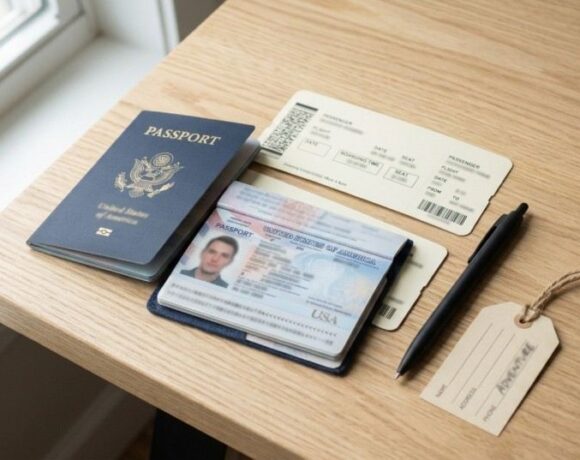
Having the right documents ready before departure can save you from unnecessary stress and delays. Create both digital and printed copies of important paperwork and keep them in separate locations.
Travel document checklist:
- Passport (with at least six months’ validity for international travel)
- Visa (if required)
- Government-issued ID
- Flight or train tickets
- Hotel confirmations
- Travel insurance policy
- Emergency contact information
- Copies of important documents
Pro Tip: Store digital copies securely in cloud storage or your email so you can access them if the originals are lost.
8. Pack Smart, Not Heavy
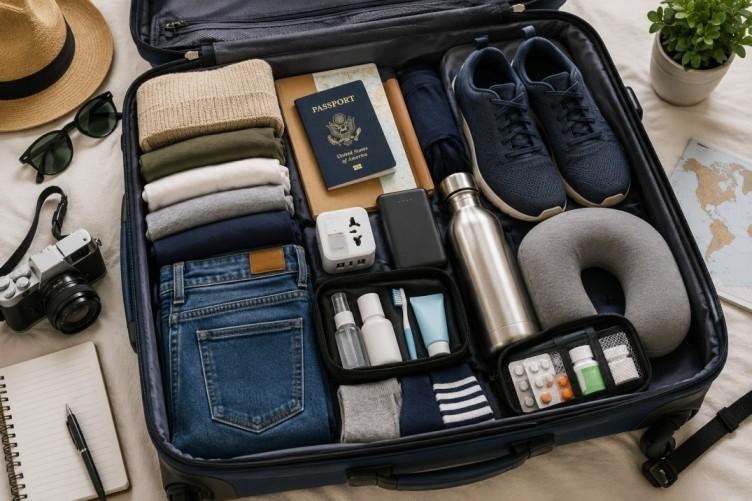
Overpacking is one of the most common mistakes first-time travelers make. Instead of packing for every possible situation, focus on essentials that match your destination, weather, and trip duration.
Packing Essentials
- Comfortable clothing
- Walking shoes
- Toiletries
- Personal medications
- Phone charger and power bank
- Universal travel adapter (if needed)
- Reusable water bottle
- Small first-aid kit
- Sunglasses and sunscreen
Choose versatile clothing that can be mixed and matched to reduce luggage without sacrificing comfort.
9. Stay Safe During Your Tour
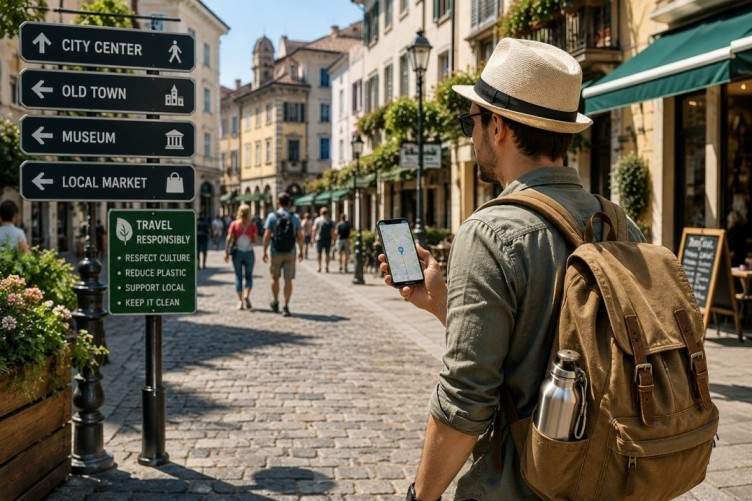
Safety should always be part of your travel plan. A few simple precautions can help you enjoy your trip with greater confidence.
Follow these safety tips:
- Keep valuables in secure places.
- Use trusted transportation services.
- Avoid carrying large amounts of cash.
- Share your itinerary with a trusted family member or friend.
- Learn local emergency numbers.
- Stay aware of your surroundings, especially in unfamiliar areas.
- Use secure Wi-Fi when accessing sensitive information.
Being prepared doesn’t mean expecting problems—it simply means you’re ready to handle unexpected situations calmly.
10. Respect Local Culture and Travel Responsibly
Responsible travel creates better experiences for both visitors and local communities.
Simple ways to travel responsibly include:
- Dress appropriately for cultural or religious sites.
- Ask permission before photographing people.
- Follow local customs and traditions.
- Support local restaurants, artisans, and small businesses.
- Reduce plastic waste by carrying reusable items.
- Leave natural attractions as clean as you found them.
Respecting local culture not only enhances your experience but also helps preserve destinations for future travelers.
Common Tour Planning Mistakes to Avoid
| Mistake | Better Approach |
| Booking at the last minute | Reserve transportation and accommodation early |
| Trying to visit too many places | Focus on quality experiences over quantity |
| Ignoring weather conditions | Check the seasonal climate before booking |
| Skipping travel insurance | Protect yourself against unexpected situations |
| Overpacking | Carry only essential items |
| Forgetting emergency funds | Set aside 10–15% of your budget |
Avoiding these mistakes can make your journey more comfortable, organized, and enjoyable.
First-Time Traveler Checklist
Before you leave, make sure you’ve completed these essentials:
✔ Choose your destination
✔ Set a travel budget
✔ Book transportation
✔ Reserve accommodation
✔ Create an itinerary
✔ Check passport validity
✔ Apply for a visa (if needed)
✔ Purchase travel insurance
✔ Pack essential items
✔ Save emergency contacts
✔ Keep copies of important documents
✔ Inform a family member or friend about your travel plans
A simple checklist can help ensure nothing important is overlooked.
Make Your Journey More Memorable
The best trips aren’t defined by the number of attractions you visit—they’re remembered for the experiences you collect along the way.
To create lasting memories:
- Try authentic local cuisine.
- Learn a few local phrases.
- Keep a travel journal.
- Take meaningful photos instead of rushing through attractions.
- Support local artisans and family-owned businesses.
Frequently Asked Questions
Is a guided tour better for first-time travelers?
Yes, guided tours are often an excellent option for beginners. They simplify transportation, accommodation, sightseeing, and local logistics, allowing travelers to focus on enjoying the experience.
What is the most important part of tour planning?
Choosing the right destination and setting a realistic budget are the foundation of a successful trip. These decisions influence your itinerary, accommodation, transportation, and overall travel experience.
Should I buy travel insurance?
Travel insurance is highly recommended, particularly for international trips. It can provide financial protection against medical emergencies, cancellations, lost baggage, and other unexpected situations.
How many days should a first vacation be?
A trip lasting 5–10 days is often ideal for first-time travelers. It provides enough time to explore a destination without feeling rushed or overwhelmed.
How far in advance should I plan a tour?
Weekend trip: 2–4 weeks
Domestic vacation: 1–3 months
International trip: 3–6 months
Peak-season travel: 6 months or more
Planning early generally gives you better prices, greater availability, and more flexibility.
Final Thoughts
Planning your first tour doesn’t have to be complicated. By defining your travel goals, choosing the right destination, setting a realistic budget, booking early, and creating a balanced itinerary, you can enjoy a smoother and more rewarding travel experience.
Remember that the best journeys are built on thoughtful planning, flexibility, and a willingness to embrace new experiences. Whether you’re traveling for relaxation, adventure, or cultural discovery, taking the time to prepare in advance allows you to focus on what truly matters—creating unforgettable memories.

YoYo Trips India Editorial Team is a group of travel experts and content creators who publish well-researched guides, itineraries, and travel tips across India, helping travelers plan smooth and memorable trips.