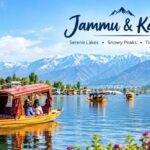
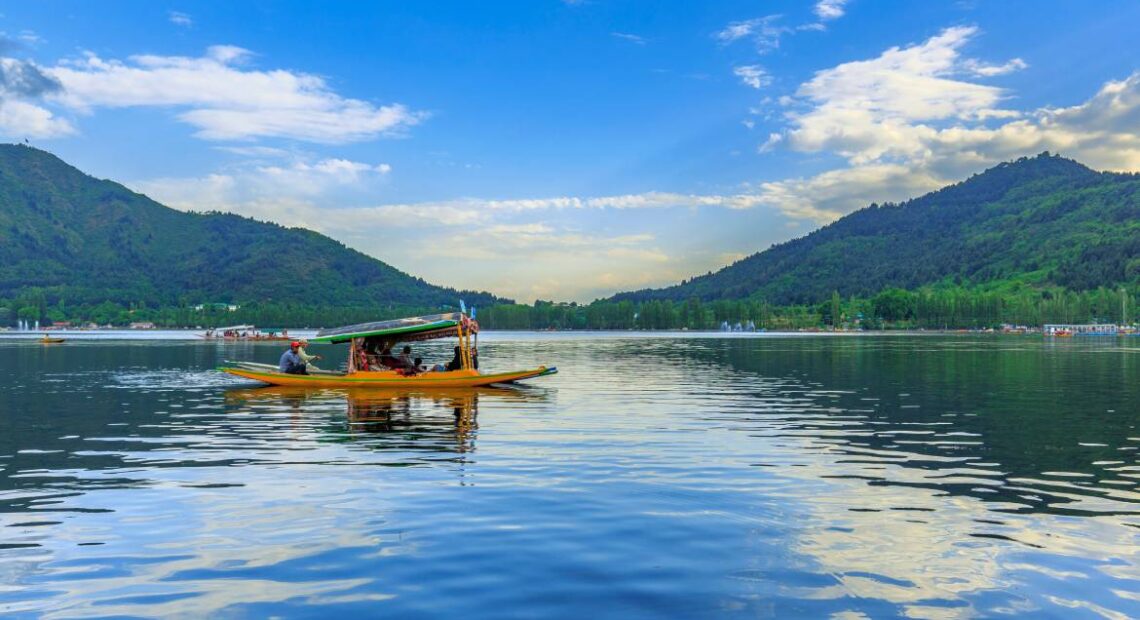
Jammu and Kashmir, often called “Heaven on Earth,” blends alpine lakes, snow-capped peaks, Mughal gardens and centuries-old traditions. This guide covers where to go, when to go, what a trip costs, a sample itinerary, and an honest look at safety, so you can plan with real information. Ready to book? See our Jammu and Kashmir tour packages for pricing and ready-made itineraries.
Jammu and Kashmir at a Glance
- Best time to visit: March–May (spring blooms) and September–October (autumn colors); December–February for snow and skiing
- Ideal trip length: 5–7 days for the Kashmir Valley; 10+ days to add Ladakh
- Trip cost (independent travel): $20–35/day budget, $35–75/day mid-range, $75+/day luxury (USD, per person, excluding flights)
- US visa requirement: Indian e-Visa (see our e-Visa guide for US citizens)
- US travel advisory (Sept 2026): Level 4: Do Not Travel for the Union Territory, except eastern Ladakh and Leh — see full details below
- Nearest airports: Srinagar (SXR), Jammu (IXJ), Leh (IXL), connected via Delhi
Places to See in Jammu and Kashmir
Jammu and Kashmir is diverse, spanning the Kashmir Valley, the Jammu region and Ladakh, each with a different landscape and pace.
Kashmir Valley: Popular Destinations
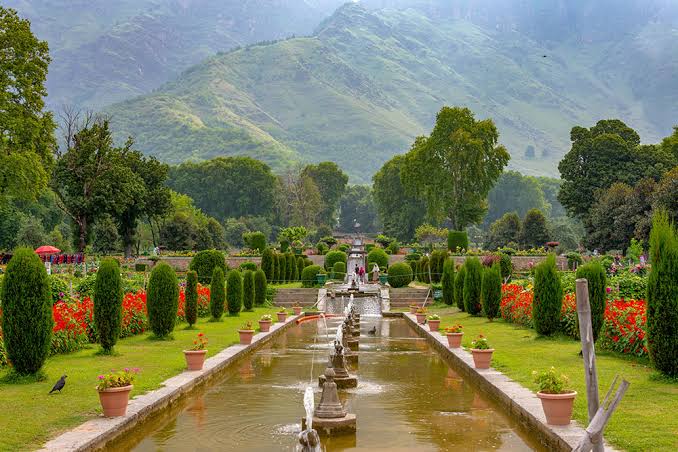
(Explore our Best of Kashmir tour package, which cover most of these stops.)
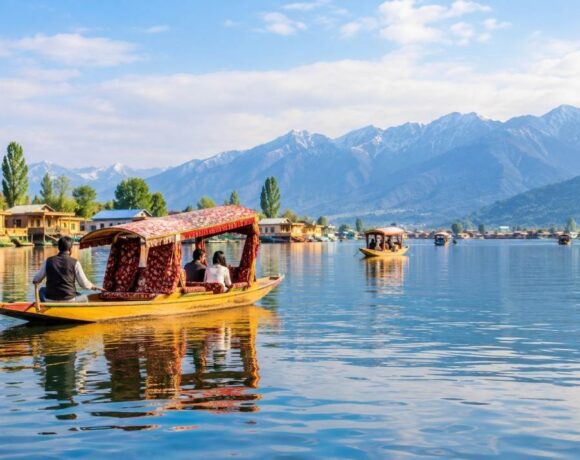
- Srinagar: The summer capital, known for Dal Lake, Shikara rides and houseboat stays. Don’t miss the Mughal Gardens (Nishat Bagh, Shalimar Bagh, Chashme Shahi, Pari Mahal) and the Indira Gandhi Memorial Tulip Garden, open seasonally in spring.
- Gulmarg: A hill station and ski resort, home to the Gulmarg Gondola, one of the highest cable cars in the world, and Apharwat Peak.
- Pahalgam: Known as the “Valley of Shepherds,” famous for its meadows, the Lidder River, and valleys like Betaab Valley, Aru Valley and Chandanwari. It is also a starting point for the Amarnath Yatra pilgrimage.
- Sonamarg: The “Meadow of Gold,” known for glacier views (including Thajiwas Glacier) and trekking.
- Yusmarg and Doodhpathri: Quieter meadows away from the main tourist crowds.
- Gurez Valley: An offbeat destination near the Line of Control, known for its remote beauty. Note: access to some areas here is restricted for foreign tourists; check current rules before planning a visit.
Jammu Region: Popular Destinations
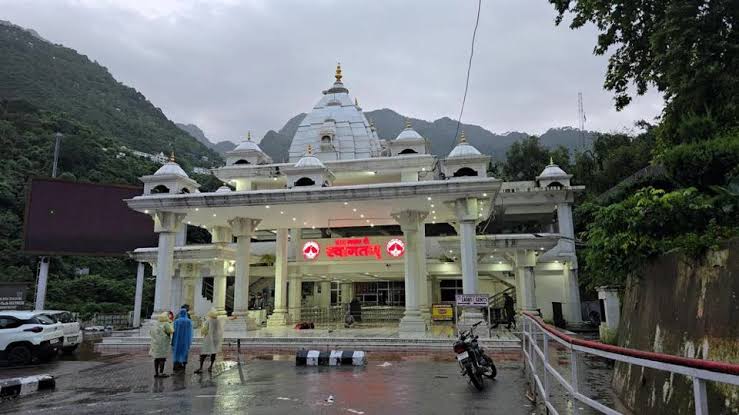
- Vaishno Devi Temple: A major Hindu pilgrimage site in Katra.
- Raghunath Temple, Jammu: A significant temple complex in Jammu city.
- Bahu Fort and Bagh-e-Bahu: A historic fort with terraced gardens.
- Mansar Lake and Surinsar Lake: Popular picnic spots surrounded by hills.
For a longer list with photos, see our companion guide, Top 20 Places to Visit in Jammu and Kashmir.
Best Time to Visit Jammu and Kashmir
Jammu and Kashmir is a year-round destination, and the best month depends on what you want to do.
- Spring (March to early May): Often considered the best all-round season. Valleys bloom with flowers, including the Tulip Garden’s peak bloom in early April, and the weather is mild.
- Summer (May to August): Ideal for sightseeing, trekking and escaping the plains’ heat. Comfortable daytime temperatures in the valley.
- Autumn (September to October): Chinar trees turn gold and amber, drawing photographers, with fewer crowds than summer.
- Winter (November to February): Best for snow, skiing and snowboarding in Gulmarg, and cozy houseboat stays. Some roads and passes close due to snow.
Avoid the peak of the July–August Amarnath Yatra period if you prefer fewer crowds and want to skip monsoon rain. Planning your dates? Our Trip to Paradise package can be scheduled around the season that suits you.
Things to Do in Jammu and Kashmir
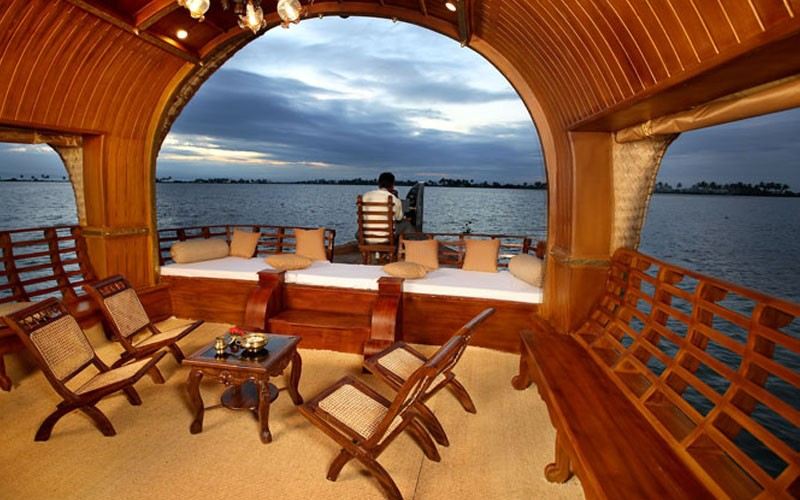
- Shikara ride: A must on Dal Lake in Srinagar, past floating gardens and markets.
- Houseboat stay: Stay overnight in a traditional Kashmiri houseboat on Dal Lake or Nigeen Lake.
- Gulmarg Gondola ride: Take the cable car for panoramic Himalayan views. Included in our Best of Kashmir tour.
- Skiing and snowboarding: Hit the slopes in Gulmarg during winter.
- Trekking: Trails range from the multi-day Kashmir Great Lakes Trek to shorter hikes around Aru, Betaab Valley and Yusmarg.
- River rafting: White-water rafting on the Lidder River near Pahalgam.
- Pony rides: Popular in Pahalgam and Sonamarg.
- Mughal Gardens: Walk through Nishat Bagh, Shalimar Bagh and Chashme Shahi in Srinagar.
- Tulip Festival: Visit in early April to see the Indira Gandhi Memorial Tulip Garden at peak bloom.
- Floating vegetable market: An early-morning market on Dal Lake, best seen at sunrise.
- Shopping: Pashmina shawls, saffron, handicrafts and dry fruits.
Food of Jammu and Kashmir
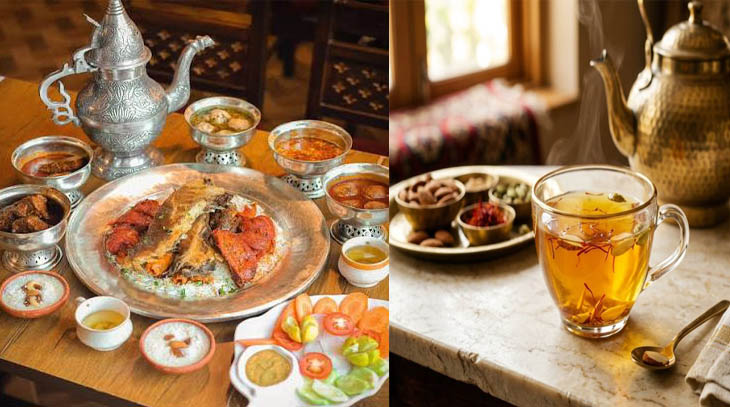
Kashmiri cuisine centers on the Wazwan, a multi-course feast built around meat dishes such as Rogan Josh, Gushtaba and Rista. Vegetarian travelers should try Dum Aloo and Haak Saag. For drinks, don’t miss Kahwa (saffron green tea) and Noon Chai (savory pink tea). For a full rundown of dishes and where to try them, read our guide to the famous food of Jammu and Kashmir.
How Many Days Do You Need for Jammu and Kashmir?
Trip length depends on how much you want to cover:
- 4–5 days: A quick tour covering Srinagar (Dal Lake, Mughal Gardens) with day trips to Gulmarg or Pahalgam.
- 6–7 days: The most popular duration, allowing relaxed time in Srinagar, Gulmarg and Pahalgam, with an optional add-on to Sonamarg or Yusmarg.
- 10+ days: Enough time for trekking (such as the Kashmir Great Lakes Trek), offbeat valleys, or combining with a trip to Ladakh.
Sample 6-Day Jammu and Kashmir Itinerary
Six days is the most popular length for a first Kashmir trip, covering Srinagar, Gulmarg and Pahalgam. This itinerary matches our Best of Kashmir package; contact us for exact day-by-day timing and a quote.
- Day 1 — Arrive in Srinagar and Shikara ride: Check into a houseboat or hotel, then take an evening Shikara ride on Dal Lake past floating gardens and markets.
- Day 2 — Srinagar sightseeing: Visit the Mughal Gardens, the Shankaracharya Temple for panoramic views, and local markets.
- Day 3 — Day trip to Gulmarg: Ride the Gondola (Phase 1 and 2), enjoy the meadows or winter snow activities, then return to Srinagar.
- Day 4 — Day trip to Pahalgam: Explore Betaab Valley, Aru Valley and Chandanwari, with optional pony rides.
- Day 5 — Sonamarg or a relaxed day in Srinagar: See Thajiwas Glacier, or spend the day at the Tulip Garden (seasonal) or a local artisan workshop.
- Day 6 — Departure: Breakfast and last-minute souvenir shopping before your flight from Srinagar.
Jammu and Kashmir Trip Cost
Trip cost depends heavily on travel style, accommodation and season. These are general planning ranges in USD, not YoYo Trips India pricing; for an exact quote based on your dates, see our Jammu and Kashmir vacation packages, which start at $124.79 per person (airfare not included).
| Travel style | Approx. cost per person per day (USD) | What it includes |
| Budget | $20 – $35 | Shared or guesthouse accommodation, local transport, simple meals |
| Mid-range | $35 – $75 | Comfortable hotels, private transport, good meals |
| Luxury | $75+ | Premium hotels or houseboats, private transfers, curated experiences |
Domestic flights to Srinagar (SXR) from Delhi typically range from roughly $70 to $250 round trip depending on how far ahead you book and the season (fares climb sharply during peak summer and around Amarnath Yatra dates); international airfare to India from the US is separate. These figures are approximate and shift with the exchange rate, airline and booking window, so use them for rough planning only.
Essential Travel Tips
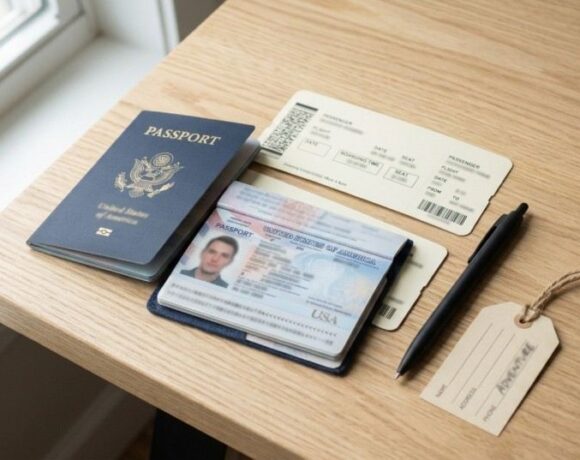
- Carry valid ID: A government-issued photo ID (passport for international travelers) may be checked at hotels and checkpoints.
- Book in advance: Pre-book accommodation and transport in peak season (April–July, December–February) for better rates and availability.
- Pack in layers: Evenings are cool even in summer, especially at altitude. Winter requires heavy woolens and waterproof gear.
- SIM card: Prepaid mobile SIMs bought in other Indian states often don’t work in Jammu and Kashmir due to security regulations. A postpaid SIM, or a local prepaid SIM bought on arrival, works better. International travelers should check roaming options with their carrier before departure.
Do’s and Don’ts for Responsible Travel
Do’s
- Respect local culture: Dress modestly, especially at religious sites and in rural areas.
- Be polite and engage: Kashmiri hospitality is well known; a friendly manner goes a long way.
- Support local businesses: Buy handicrafts and services directly from local artisans and vendors.
- Be eco-conscious: Dispose of waste responsibly and avoid littering in this fragile mountain environment.
Don’ts
- Avoid political discussions with locals given the region’s sensitive history.
- Don’t wander into restricted or unfamiliar areas without a local guide or proper authorization.
- Ask before photographing people, particularly women.
- Public displays of affection are not customary in Kashmiri culture.
- Public consumption of alcohol is generally frowned upon and restricted in some areas.
Is It Safe to Travel to Jammu and Kashmir Right Now?
As of September 2026, the US Department of State rates the Union Territory of Jammu and Kashmir Level 4: Do Not Travel, citing terrorism and civil unrest, with a stated exception for the eastern Ladakh region and its capital, Leh. The advisory specifically names Srinagar, Gulmarg and Pahalgam as tourist spots where violence has occurred. India as a whole carries a Level 2 rating, “Exercise Increased Caution.” This is the official US government position, not our opinion, and advisories are updated periodically, so please read the current, dated advisory directly at travel.state.gov before booking and again before you travel.
Whether to travel is a decision each traveler must make with full information. Many travelers, including many of our own guests, do visit the region and have positive trips; local tourism authorities have also invested in visible policing and tourist help centers in popular areas. If you decide to go, we recommend:
- Reading the current advisory for India and Jammu and Kashmir shortly before you book and again before departure
- Enrolling in the free Smart Traveler Enrollment Program (STEP) if you are a US citizen, so the nearest embassy or consulate has your trip details
- Buying travel insurance that includes medical evacuation and trip cancellation coverage
- Traveling with private, pre-arranged transport and a local guide rather than independently
- Keeping to established tourist areas. The Indian government prohibits foreign tourists from certain areas along the Line of Control, and some parts of Ladakh require an Inner Line Permit
- Cooperating with security personnel at checkpoints and staying in touch with your tour coordinator throughout the trip
If you would rather choose a destination outside the advisory area, our Golden Triangle packages and Himachal tour packages are popular alternatives. We’re happy to talk through your questions before you decide — call us at +91 99966 52732.
Plan Your Trip with YoYo Trips India
YoYo Trips India is a Faridabad, Delhi NCR-based travel agency that has organized Jammu and Kashmir trips for international travelers, including many first-time US visitors planning their first houseboat stay or Gondola ride. This guide reflects what our team tells guests directly when they call to plan a trip, including the safety information above. Browse our Jammu and Kashmir trip packages to see pricing and start planning your trip, or call us at +91 99966 52732 with questions. If you’re a US citizen, also read our India e-Visa guide for US citizens before you book flights.
Conclusion
A trip to Jammu and Kashmir is a journey through some of the most dramatic landscapes in India, paired with centuries of culture and cuisine. With the right season, a realistic budget and an honest read of the current safety picture, it can be a genuinely memorable trip for nature lovers, photographers and pilgrims alike. (See our Best of Kashmir package or plan your trip to Paradise.)
Frequently Asked Questions
Is it safe to travel to Jammu and Kashmir right now?
As of September 2026, the US State Department rates the Union Territory of Jammu and Kashmir Level 4: Do Not Travel, except for eastern Ladakh and Leh, citing terrorism and civil unrest, and names Srinagar, Gulmarg and Pahalgam specifically. India overall is Level 2. Check the current advisory at travel.state.gov before booking, enroll in STEP if eligible, buy travel insurance with evacuation coverage, and travel with a private guide and transport.
Which month is best to visit Jammu and Kashmir?
It depends on what you want: March to May (spring) is ideal for gardens, blooms and pleasant weather. December to February (winter) is best for snow and skiing in Gulmarg. September to November (autumn) has fewer crowds and golden Chinar trees. Many travelers avoid July–August if they want to skip monsoon rain and the Amarnath Yatra crowds.
What is the Jammu and Kashmir trip cost?
Independent travel costs range roughly $20–35 per person per day for budget travel, $35–75 for mid-range, and $75+ for luxury (accommodation, transport and meals, not flights). Organized packages with YoYo Trips India start at $124.79 per person for a full trip, airfare not included; see our tour packages for exact pricing.
How many days are required to visit Jammu and Kashmir?
A well-rounded trip to the Kashmir Valley (Srinagar, Gulmarg, Pahalgam, Sonamarg) takes 5 to 7 days. An 8 to 10 day trip allows for Jammu, Vaishno Devi and offbeat places like Yusmarg. A quick Vaishno Devi and Patnitop pilgrimage trip can be done in 3 to 5 days. See our Jammu and Kashmir packages for different durations.
Do US citizens need a visa to visit Jammu and Kashmir?
Yes. US citizens need an Indian visa, and most tourists apply for the e-Visa online before travel; no separate visa is needed specifically for Jammu and Kashmir. Read our India e-Visa guide for US citizens for the full process.

YoYo Trips India Editorial Team is a group of travel experts and content creators who publish well-researched guides, itineraries, and travel tips across India, helping travelers plan smooth and memorable trips.