
By YoYo Trips India Editorial Team — travel experts who plan and run Goa itineraries for US travelers year-round. Last updated July 2026.
Goa is India’s smallest state and its most famous beach destination — a strip of Arabian Sea coastline that mixes 300-year-old Portuguese churches, cliffside forts, and some of the liveliest beach nightlife in Asia with quiet, palm-lined stretches of sand where the biggest decision of the day is which shack to eat lunch at. For a first-time US visitor, it plays a bit like a cross between Northern California’s coastline and a laid-back Caribbean island, with a distinctly Indian-Portuguese cultural layer running beneath the surface. This guide covers the beaches, forts, and neighborhoods actually worth your time, how North and South Goa differ, and what to know before you book.
Is Goa Worth Visiting? What US Travelers Should Know First
Yes — Goa is worth visiting, and it’s one of the more approachable first stops in India for US travelers, largely because tourism infrastructure here has been built around international visitors for decades. Goa sees far more Western tourists per capita than almost anywhere else in India, so English is widely spoken, ATMs and card payments are common even at small shacks, and the beach-town layout will feel familiar if you’ve traveled anywhere in Southeast Asia or coastal Mexico.
On safety: Goa is generally considered one of the safer, more tourist-friendly regions in India, though the same common-sense precautions apply here as at any beach destination — keep an eye on valuables on crowded beaches, use licensed taxis or rideshare apps at night, and check the U.S. State Department’s country-specific travel advisory for India before you go, since it’s updated regularly and covers region-specific guidance rather than generic warnings.
Compared to destinations Americans already know, Goa lands somewhere between Bali and a quieter Caribbean island — less built-up than Cancun, less crowded than Bali’s south coast, but with a similar mix of beach clubs, yoga retreats, and budget-to-luxury resort options side by side.
Goa Beaches — The Main Draw
Beaches are the reason most people come to Goa, and they’re spread across roughly 60 miles of coastline with genuinely different personalities from one stretch to the next. Here are the ones worth building a trip around.
Baga Beach
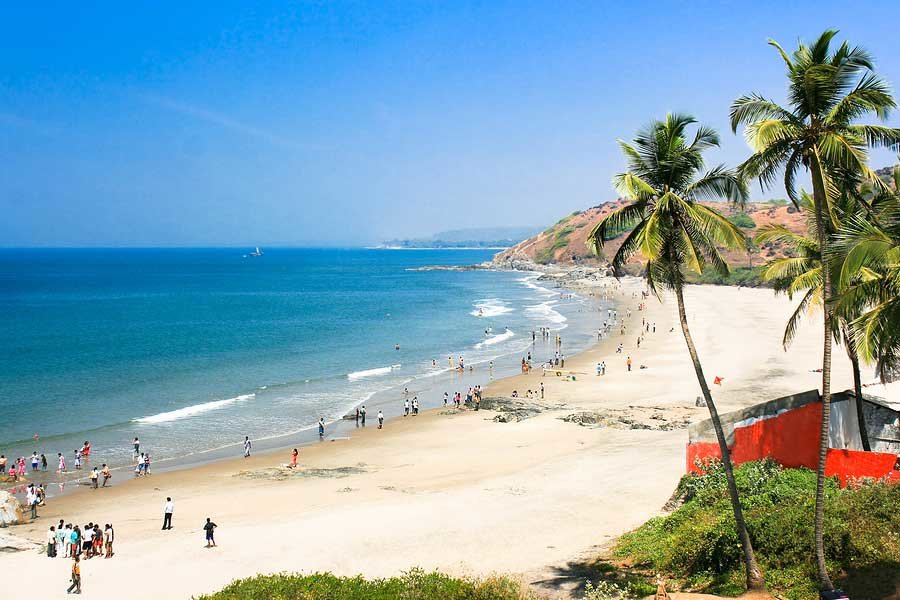
Baga is Goa’s nightlife epicenter — beach shacks turn into open-air clubs after dark, and this is where you’ll find the highest concentration of water sports operators (parasailing, jet skiing, banana boats) during the day. It’s crowded and loud by Goa standards, which is exactly the point for travelers chasing an energetic scene.
Calangute Beach

Nicknamed the “Queen of Beaches,” Calangute is Goa’s largest and most accessible beach, discovered by international backpackers back in the 1960s and still the most infrastructure-heavy stretch of coast — plenty of hotels, restaurants, and shopping within walking distance of the sand.
Anjuna Beach

Anjuna built its reputation on trance parties and its famous Wednesday flea market, and it still draws a bohemian, backpacker-heavy crowd. The red laterite cliffs here also make for some of North Goa’s best sunset views.
Agonda Beach

A long, quiet, mostly undeveloped stretch in South Goa, Agonda is where couples and travelers who want distance from the party scene tend to land. Coconut palms line the sand, the water is calmer, and development is deliberately kept low-key here.
Palolem Beach

Palolem’s crescent shape means you can see both ends of the beach from the center, and it’s known for its “silent disco” parties, where music plays through wireless headphones instead of speakers — a distinctly Goan compromise between nightlife and the area’s otherwise mellow vibe.
Arambol Beach

Tucked into the far north, Arambol draws a strong backpacker and long-stay crowd along with kitesurfers and paragliders, who take advantage of the strong headland winds here that most of Goa’s other beaches don’t get.
If a beach-hopping itinerary across both coasts sounds appealing but you’d rather not plan the logistics yourself, YoYo Trips India’s Beach Vacation Packages include curated Goa routes that string these stops together with pre-arranged transfers and stays.
North Goa vs South Goa — Which Should You Visit?
This is the single biggest planning decision for a Goa trip, and it comes down to what kind of vacation you actually want.
| North Goa | South Goa | |
| Vibe | Nightlife, parties, energetic | Quiet, upscale, relaxed |
| Best for | First-timers, groups, couples wanting energy | Honeymooners, families, luxury travelers |
| Known for | Baga, Calangute, Anjuna, Tito’s Street | Agonda, Palolem, Colva, Cabo de Rama |
| Pace | Fast — beach clubs, water sports, markets | Slow — long walks, quiet resorts, fewer crowds |
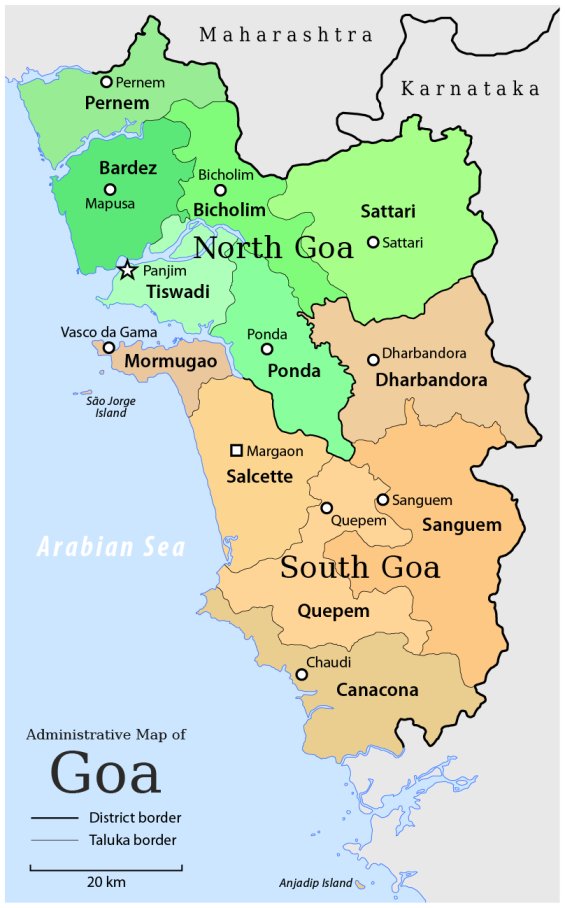
If it’s your first trip to Goa and you want to sample the state’s full range, a lot of travelers split their time — a few days in North Goa for the energy, then a few days in South Goa to unwind. YoYo Trips India’s Long Goa Tour is built around exactly that north-to-south arc, while the shorter Delightful Goa Tour is a tighter option if you only have a long weekend.
Best Places to Visit in South Goa
South Goa moves at a slower pace and tends to draw travelers looking for a genuine escape rather than a party scene.
- Agonda Beach — the anchor of quiet South Goa, ideal for a multi-day, do-nothing kind of stay
- Palolem Beach — slightly more social than Agonda, with silent-disco nightlife and better dining options
- Colva Beach — one of South Goa’s oldest and most established beach towns, with a wider spread of hotel options
- Cabo de Rama Fort — a crumbling cliffside Portuguese fort with sweeping Arabian Sea views and almost no crowds
Beyond the Beaches — Forts, Churches & Culture
Goa’s identity isn’t only beaches — 450 years of Portuguese colonial rule left behind a genuinely distinct architectural and cultural layer that’s easy to miss if you never leave the coast.
Basilica of Bom Jesus

Located in Old Goa, this baroque church holds the remains of Saint Francis Xavier and is part of the Churches and Convents of Goa UNESCO World Heritage Site, recognized by UNESCO for its role in spreading Manueline, Mannerist, and Baroque architectural styles across Asia during the era of Portuguese missionary activity. It’s one of the few genuinely “must-see” cultural sites in the state.
Fort Aguada

A 17th-century Portuguese fort overlooking the point where the Mandovi River meets the Arabian Sea, Fort Aguada was built in 1612 to defend against Dutch naval attacks and still has an operational 19th-century lighthouse on site. It’s officially protected as a Monument of National Importance, listed on the Archaeological Survey of India’s Goa Circle site, alongside the wider Old Goa church complex.
Chapora Fort
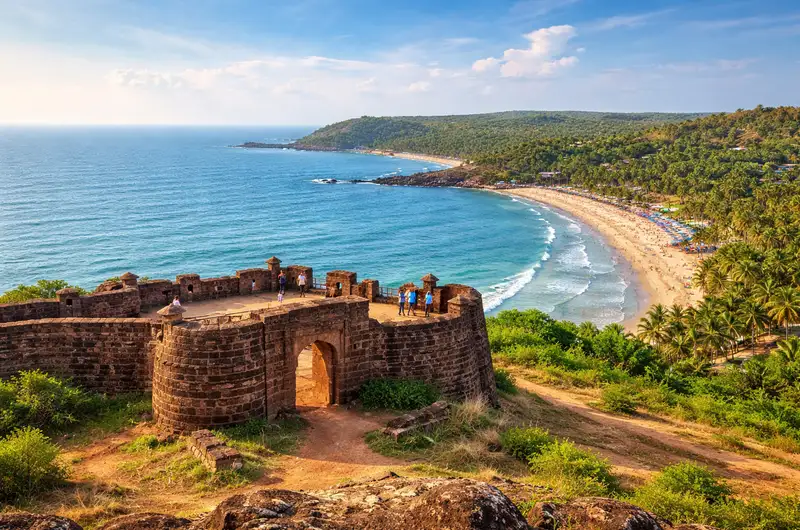
Perched above Vagator Beach, this laterite-stone fort offers some of North Goa’s best panoramic coastline views and a genuinely peaceful half-hour walk once you’re up top.
Old Goa’s Church District
Beyond the Basilica, the wider Old Goa district holds several more Portuguese-era churches and convents within easy walking distance of each other, making it a natural half-day add-on to a beach-focused itinerary.
For travelers who want to build a trip around this heritage layer rather than treat it as a side trip, YoYo Trips India’s Heritage Tour Packages combine Old Goa’s churches and forts with similar colonial and historical sites elsewhere in India.
Things to Do in Goa (Beyond Sightseeing)

- Water sports: Parasailing, jet skiing, banana boat rides, and scuba diving are all concentrated around Baga, Calangute, and Grande Island
- Nightlife: Tito’s Street in Baga is Goa’s best-known nightlife strip, packed with clubs, open-air restaurants, and late-night food stalls. Beach shack operating dates, event calendars, and festival details (including the annual Sunburn Festival and Goa Carnival) are published directly by the Department of Tourism, Government of Goa, which is the most reliable source for any season-specific changes
- Spice plantation tours: Several working plantations near Ponda offer guided walks and traditional Goan lunches
- Sunset cruises: Mandovi River cruises out of Panaji are a relaxed way to see the coastline and often include live music
If water sports and adventure activities are the priority, YoYo Trips India’s Adventure Tour Packages pair Goa’s coastal activities with trekking, rafting, or wildlife experiences elsewhere in India for travelers building a longer, multi-region trip.
Best Time to Visit Goa
The short answer: November through February is Goa’s peak season, when the monsoon has fully cleared, temperatures sit in a comfortable range, and every beach shack, water sport operator, and nightlife venue is running at full capacity. Shoulder months (March and October) offer a solid middle ground — still warm and mostly open, but with noticeably thinner crowds and lower prices.
Monsoon season (June–September) shuts down most beach activities and water sports, but it’s genuinely underrated for travelers more interested in Old Goa’s churches, spice plantations, and the Western Ghats’ waterfalls, all of which are at their most dramatic when everything is green.
For a full month-by-month weather breakdown, packing guidance, and season-by-traveler-type recommendations, see YoYo Trips India’s dedicated guide: Best Time to go to Goa.
Also, You Can Read:
Goa for Honeymooners & Couples

Goa is consistently one of India’s most popular honeymoon destinations, and for good reason — candlelit beachfront dinners, boutique resorts tucked into North Goa’s hinterland, and quiet South Goa beaches like Agonda make it easy to build a genuinely romantic few days without much planning effort. November and February tend to be the sweet spot for couples specifically, since you get winter’s good weather without December’s peak-season crowds and pricing.
YoYo Trips India’s Honeymoon Vacation Packages include curated Goa itineraries built around this kind of low-key, romantic pacing, with private transfers and boutique stays arranged in advance.
Must Read: Best Time to Visit India for a Honeymoon
Frequently Asked Questions
Is Goa safe for American tourists? Yes. Goa is generally considered one of India’s safer, most tourist-friendly regions, with a large existing international visitor base. Standard travel precautions — watching valuables on busy beaches, using licensed transport at night — apply here as they would at any beach destination.
What is Goa best known for? Goa is best known for its beaches, beach nightlife, and Portuguese colonial heritage, including 450 years of Portuguese rule that left behind churches, forts, and an architectural style found nowhere else in India.
How many days do you need in Goa? Four to five days is enough to cover a mix of beaches, one or two cultural sites, and some downtime. Six to seven days lets you comfortably split time between North Goa’s energy and South Goa’s quieter beaches.
What is the best month to visit Goa? December and January are the most popular months, offering reliable dry weather alongside Goa’s biggest festivals and events, though November is an underrated alternative with similar weather and thinner crowds.
Is Goa expensive for US travelers? Goa is generally affordable by US standards — budget guesthouses, mid-range resorts, and street-food-level meal prices sit well below equivalent US beach-destination costs, though beachfront luxury resorts and December peak-season pricing can close that gap considerably.
Ready to see Goa’s beaches, forts, and coastline for yourself? Explore YoYo Trips India’s Goa Tour Packages for customizable itineraries across every season, or get in touch and our travel experts will build a Goa trip around exactly what you’re looking for.

YoYo Trips India Editorial Team is a group of travel experts and content creators who publish well-researched guides, itineraries, and travel tips across India, helping travelers plan smooth and memorable trips.