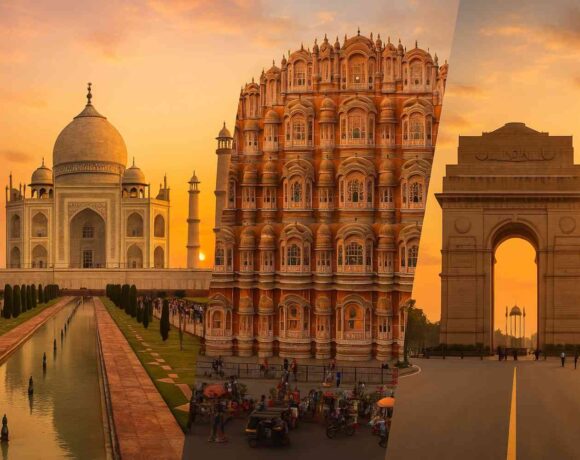
Here is the single most important thing to understand about planning an India honeymoon: India is not one destination with one weather pattern. It is a continent with nine distinct climatic zones.
The same week in January that gives you perfect beach weather in Goa — warm sun, calm seas, 29°C / 84°F — will give you snowfall in Manali, cool crisp mornings in Rajasthan, and mist on the Kerala backwaters. Knowing when to go to India is really a question of knowing where you want to go first.
That’s what this guide does. We’ll give you the honest month-by-month breakdown, a clear best-season table for every major honeymoon destination, and — uniquely — a section specifically for international couples planning their India honeymoon around a UK, US, or Australian wedding date.
Every other guide on this topic is written for Indian couples. This one is written for you.
Quick Answer: The Best Time to Visit India for a Honeymoon
If you want a single answer: October through March is the best window for a honeymoon in India, and November through February is the absolute sweet spot.
During these months, temperatures are comfortable throughout the majority of areas, with 10–25°C (50–77°F) in the north and 20–30°C (68–86°F) in the south. Rain is almost entirely absent across most regions. Goa, Kerala, Rajasthan, the Andaman Islands, and the Golden Triangle are all at their best. Hotels are fully staffed, transfers run reliably, and the country is in full tourism swing.
But that’s the broad answer. The nuanced answer — the one that will actually help you make the right call — is below.
October to March: The Peak Honeymoon Window
The mild, sunny dry season from October to March is considered the best time to visit India overall. Most of the country is accessible. The weather is reliably dry and warm in the south and pleasantly cool in the north. This is the window during which all of India’s great honeymoon regions are simultaneously at their finest.
Within this window, November and February stand out as the very best months — peak-season quality with slightly fewer crowds and marginally better value than December and January.
April to June: When the Hills Take Over
As the plains heat up sharply in April, the Indian Himalayas come into their own. At higher altitudes, temperatures are pleasant: in Darjeeling, the average May high is around 73°F (23°C). Kashmir erupts into its famous spring bloom from April — wildflowers covering the meadows of Pahalgam and Gulmarg in a spectacle most international visitors never know exists. Manali and Shimla are lush, clear, and far less crowded than in winter.
If your wedding falls in March or April, this window gives you a genuinely outstanding India honeymoon — just focus on the hills rather than the beaches.
Should You Visit India During the Monsoon?
Honest answer: generally no, as a first India honeymoon experience. In most of India, monsoon season arrives in June and lasts through September, with near-daily downpours, especially in the afternoons and evenings. Goa becomes a ghost town. Rajasthan’s forts are manageable but humid. Beach activities are off the table.
That said, Kerala’s backwaters take on a different kind of beauty in the rains — mist, lush green, dramatic skies. And the Himalayas stay dry while the plains are soaked. For adventurous couples on a tighter budget who don’t mind the drama of a tropical downpour, June–August offers 40–60% discounts on hotels. But for most international couples on their honeymoon? Wait for the dry season.
Best Time by Destination — At a Glance
(Optimised for featured snippet — use this table in your CMS exactly as formatted)
| Destination | Best Months | Acceptable | Avoid |
| Goa | October – March | September | June – August |
| Kerala | October – February | March, September | July – August (peak monsoon) |
| Kashmir | April – October | March (early spring) | November – February (heavy snow) |
| Manali & Shimla | Dec – Feb (snow) / April – June (green season) | October | July – August |
| Rajasthan (Jaipur, Udaipur, Jodhpur) | October – February | March, September | April – July (extreme heat) |
| Andaman Islands | October – May | September | June – September (rough seas) |
| Golden Triangle (Delhi–Agra–Jaipur) | October – March | September | April – August |
| Coorg & Hill Stations, South India | October – May | June (light rains, dramatic) | July – August |
Month-by-Month: India Honeymoon Guide
October — The Season Opens
Weather: The monsoon clears across most of India. Skies turn blue, humidity drops, and the countryside is at its most lush and green from the rains. Afternoon temperatures in the north hover around 28–32°C (82–90°F) — warm but very manageable.
Best destinations this month: Rajasthan (Jaipur, Jodhpur, Udaipur), Golden Triangle, Andaman Islands
Crowd and price level: Early season — hotels at shoulder-season rates, 15–25% below December peaks. The best value month in the entire dry season window.
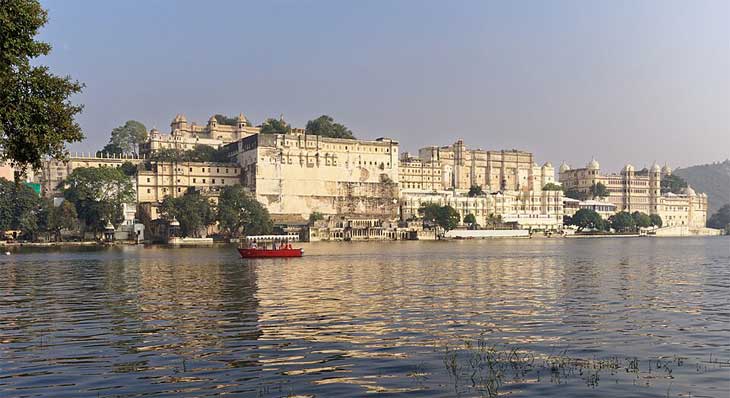
Romantic highlight: Rajasthan in October has something most visitors never see — the post-monsoon countryside is still partially green, the lakes are full (Udaipur’s Lake Pichola is at its most beautiful), and the palaces are quieter than any other dry-season month. It is, genuinely, Rajasthan at its most beautiful.
Book ahead by: 3–4 weeks minimum for hotels; 6–8 weeks if travelling over Diwali (falls in late October or early November — one of India’s most spectacular festivals to witness as a couple).
November — The Best All-Rounder Month
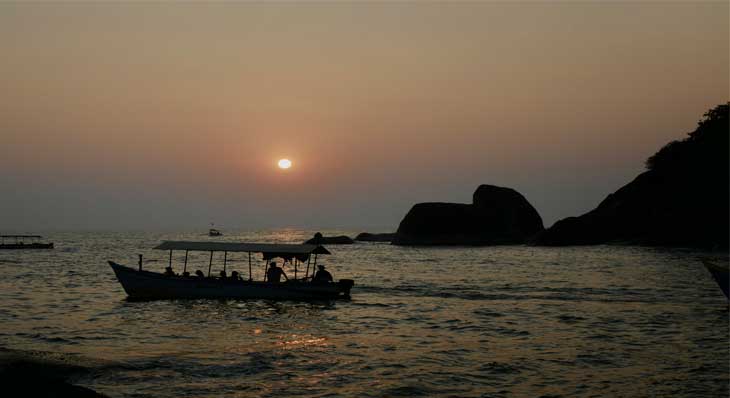
Weather: Perfect across almost the entire country. North India is pleasantly cool (Delhi 12–26°C / 54–79°F). South India is warm and dry. Goa enters its prime beach season. Rajasthan is ideal for outdoor exploration. Kerala is crystal-clear.
Best destinations this month: Goa, Kerala, Rajasthan, Andaman Islands, Golden Triangle — all excellent simultaneously.
Crowd and price level: High season beginning. Book hotels 6–8 weeks ahead. Prices 10–20% higher than October but still below December–January peak.
Romantic highlight: Early November in Goa before the Christmas crowd arrives — pristine beaches, warm ocean, long golden evenings, and half the number of tourists of December. This is the insider’s window for a Goa honeymoon.
Why international couples love November: Weddings in the UK and Australia often fall in September–October, making a November honeymoon a natural choice. The weather rewards it perfectly.
December — Winter Magic and Peak Season
Weather: December is one of the busiest months for travel and tourism. You will find temperatures dropping towards the end of this month. North India gets pleasantly cool evenings (Delhi 8–21°C / 46–70°F). South India stays warm (Goa, Kerala 25–30°C / 77–86°F). Snowfall begins in Manali and Shimla — beautiful for couples who want a white winter experience.
Best destinations this month: Goa (peak beach season), Kerala, Rajasthan, Andaman Islands, Manali (snow), Shimla (snow)
Crowd and price level: Peak season. Goa is especially crowded in December. Hotels in popular destinations get booked out weeks in advance over Christmas and New Year. Book 8–10 weeks ahead minimum, especially for the week of 24 December – 2 January.
Romantic highlight: A Christmas or New Year’s Eve in Goa — the beach parties, candlelit restaurant terraces, and warm ocean air create a genuinely festive atmosphere unlike anywhere else in Asia. For couples who want the spectacle, this is unbeatable. For quiet romance, come in November or January instead.
Budget note: December 24–January 2 commands peak premiums. The same hotel that costs $120/night in November can cost $250/night over Christmas week. Book early or shift dates by a week either side.
January — Cool, Clear, and Romantic
Weather: The coolest month across India. North India mornings can be crisp (Delhi lows of 7–8°C / 44–46°F) with warm, clear afternoons. South India and coastal areas remain perfectly warm. Ideal for outdoor activities, heritage walking tours, and long sunset dinners.
Best destinations this month: Rajasthan, Golden Triangle, Kerala, Goa, Andaman Islands — all at their finest.
Crowd and price level: Still high season but post-New Year crowds thin out noticeably after the first week. January 8 onwards is arguably the best value week in peak season — great weather, fewer crowds, lower post-holiday rates.
Romantic highlight: The Andaman Islands in January are extraordinary — gin-clear water, empty beaches, calm seas ideal for snorkelling. Radhanagar Beach at this time of year rivals any beach in Southeast Asia. And the entire Andamans feels undiscovered by international couples.
February — Valentine’s Window, Perfect Weather
Weather: Warm days, cool evenings, virtually no rain anywhere. Generally, December to February are the best months to travel. You can enjoy clear skies and all kinds of outdoor activities in most of the country. Slightly warmer than January, which most couples prefer for beach destinations.
Best destinations this month: Goa, Kerala, Rajasthan, Andaman Islands — all still excellent. Kashmir begins its late-winter quiet before spring arrives.
Crowd and price level: High season tapering toward shoulder. Valentine’s week sees a spike in demand — book 8–10 weeks ahead if travelling around February 14th. Otherwise, mid-to-late February offers very good availability.
Romantic highlight: A February honeymoon in Kerala gives you the backwaters, Ayurvedic spas, and Munnar’s tea estates in perfect weather — warm enough for afternoon swims in the pool, cool enough for long evening walks. February is arguably Kerala’s finest month.
Budget note: February bookings are cheaper than December weddings. Avoid New Year week (prices surge 2x). Mid-February outside Valentine’s weekend gives genuinely good value without compromising on weather quality.
March — Last of the Perfect Season
Weather: Warming up noticeably across North India. The country starts heating up from March onwards. This is when India has moderate to relatively cool temperatures in Central and South India and some flat parts of North India. South India and coasts still lovely — beach destinations perfect until mid-March. Hills beginning their spring transformation.
Best destinations this month: Andaman Islands (still excellent), Kerala, Goa (early March), hill stations starting to wake up
Crowd and price level: March could be seen as a middle-ground period — you don’t need to bear extreme heat, while you can expect less crowding and more affordable prices than December to February. Good shoulder-season value with dry skies.
Romantic highlight: Holi — India’s festival of colours — falls in March each year (date varies by lunar calendar). For adventurous international couples, experiencing Holi in Jaipur or Vrindavan is an explosive, joyful, deeply memorable thing to do on a honeymoon. Just be prepared: it is wonderfully chaotic.
April — Kashmir Springs to Life
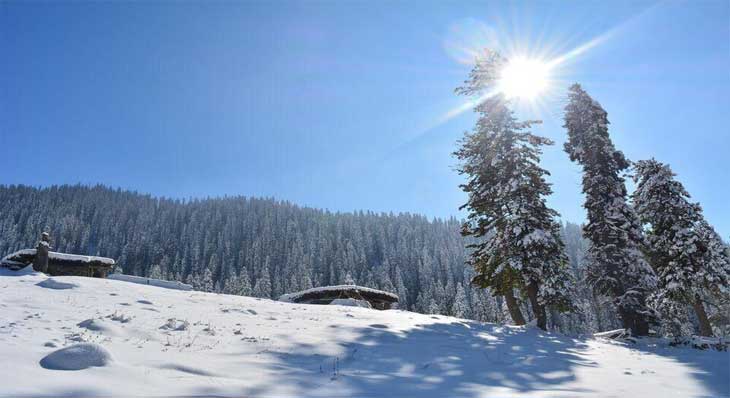
Weather: Plains heat up sharply — Delhi and Rajasthan reach 36–40°C (97–104°F). The coastal south is still fine, though warming. But at altitude, it’s extraordinary: India’s low season sees temperatures soaring to occasionally unbearable levels in the lowlands. By May, as locals await the relief of the monsoon, the lowlands feel like an oven. Cities can be uncomfortably hot — sensible travelers head to India’s fabled hill stations.
Best destinations this month: Kashmir (spring bloom begins — meadows of wildflowers at Pahalgam and Gulmarg), Manali, Shimla, Andaman Islands (still good through April)
Crowd and price level: Low season in plains — 20–35% hotel discounts. High season in hill stations — book ahead.
Romantic highlight: Kashmir in April is one of the most spectacular seasonal sights in all of India — the famous almond and cherry blossom season, wildflower meadows, and clear mountain air after winter’s closure. Almost no international couples know about this. It is genuinely breathtaking.
May — Himalayan Peak Season
Weather: Hottest month in the plains. With May comes the hottest month in India. In the Golden Triangle area (Delhi, Agra, and Jaipur), temperatures reach 45°C (113°F) on some days. But Manali, Shimla, and Kashmir are spectacular: cool, clear, green, and far less crowded than winter.
Best destinations this month: Manali and Kullu Valley (lush green season), Shimla, Kashmir (spring into early summer), Darjeeling, Coorg (before monsoon)
Crowd and price level: Hill stations are busy with domestic tourists in May — book hill station hotels 6–8 weeks ahead. Plains hotels offer 30–50% discounts.
Romantic highlight: Solang Valley near Manali in May — green meadows, river crossings, paragliding, and the snow still visible on the peaks above. For active, adventurous couples, this is India’s most romantic month to be in the mountains.
June — The Transition Month
Weather: Monsoon arrives in Kerala first (around June 1st) and sweeps north through the month. Goa becomes rainy and humid by mid-June. The northern plains stay hot with some relief from early showers. Hill stations are still viable.
Best destinations this month: Himalayan hill stations (Manali, Shimla, Ladakh — the rains don’t reach Ladakh, making June–August its best season), Kerala for couples who want dramatic monsoon beauty
Crowd and price level: Low season begins for most of India — excellent hotel discounts. April to June is the best time for the lowest prices in general. The heat prohibits many travellers from travelling around India. You may find only a few visitors in the temples.
Romantic highlight: Ladakh in June is an extraordinary and truly off-the-beaten-path honeymoon destination — high altitude Buddhist monasteries, turquoise lakes (Pangong Tso), dramatic lunar landscapes, and an intimacy that the crowded winter destinations cannot match. For adventurous couples, this is a hidden gem.
July & August — Monsoon Deep Season
Weather: The plains get drenched by the monsoon rains from June to September, while beach resorts in steamy Goa become ghost towns. But backpackers and trekkers flock to the mountains. Kerala, Goa, and the Western Ghats are lush, dramatic, and beautiful — but very wet.
Best destinations this month: Ladakh (dry and spectacular), Spiti Valley, Kerala (for adventurous couples who embrace the rain), Coorg (waterfalls at maximum flow)
Crowd and price level: Lowest prices of the year — 50–70% discounts on beach and plains hotels. Ladakh at premium as it’s peak season there.
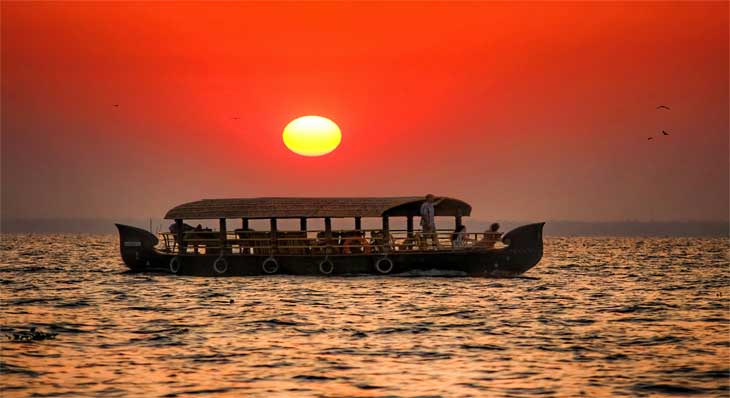
Romantic highlight: If you are an experienced traveller unafraid of rain, the Kerala backwaters in July–August have a mystical quality — mist on the water at dawn, the sound of rain on the houseboat roof, the countryside in an almost luminescent green. It is romantic in a very different way. Not recommended for first-time India visitors.
September — The Shoulder Season Gem
Weather: The rain eases in September. As a shoulder month, it’s a great time to see big-ticket sites in the Golden Triangle as they’re not too crowded. Rajasthan is gorgeous at this time of year, with lush countryside and full lakes thanks to the monsoon rains.
Best destinations this month: Golden Triangle (Delhi, Agra, Jaipur), Rajasthan, Kerala (northeast monsoon hasn’t arrived yet — October is a risk for Kerala), Andaman Islands (seas beginning to calm from mid-September)
Crowd and price level: Transitional — the best deals of any dry-weather month. Few tourists, lower prices, and post-monsoon greenery that makes Rajasthan look completely different from its winter appearance.
Romantic highlight: The Taj Mahal in September — you’ll share it with a fraction of the December crowds, the gardens are lush from the monsoon, and the light at sunrise is extraordinary. For couples who want a famous experience without the famous crowds, September in Agra is a revelation.
Also You Can Read: Best Honeymoon Destinations in India
Planning Your India Honeymoon Around Your Wedding Date
This section does not exist anywhere else in India honeymoon content. It is written specifically for international couples matching their trip to a real-world wedding calendar.
If You’re Getting Married in June or July (UK, US & Australian peak)
June–July is the most popular wedding month for couples in the UK, US, and Australia. If you marry in June or July and want to honeymoon in India, you have two practical choices:
Option A: Delay your honeymoon by 3–4 months. Fly to India in October or November. This gives you the absolute peak of India’s honeymoon season — perfect weather across Goa, Kerala, Rajasthan, and the Andamans simultaneously. If you can wait, this is the right call. A mini-moon closer to home immediately after the wedding, then India in October, is an excellent combination.
Option B: Go immediately and head to the hills. If you want to honeymoon in India straight after your June or July wedding, go directly to Kashmir, Manali, or Shimla. The Himalayas are in their green summer prime from June through August — cool, dramatic, and genuinely beautiful. Avoid the plains (Delhi, Rajasthan, Goa) entirely at this time of year.
If You’re Getting Married in September or October
You are in a fortunate position. Flying to India in October or early November puts you at the very opening of peak season — post-monsoon freshness, early-season hotel availability, and slightly lower prices than December. Rajasthan and the Andaman Islands are particularly outstanding in October.
If You’re Getting Married in December or January
Perfect timing, with one important caveat: book early. December and January are India’s busiest tourist months, and popular honeymoon hotels in Goa, Udaipur, and Kerala sell out weeks in advance. If your wedding is in late November or December, contact your travel agent immediately after the engagement — not after the wedding. 8–12 weeks of lead time is the minimum for the best options.
If You’re Getting Married in March or April
You have excellent options in the Indian Himalayas. April is Kashmir’s spring bloom season — one of India’s most spectacular and least-known seasonal events. May is peak season in Manali and Shimla. If you want beaches, the Andaman Islands are still beautiful through April and into early May. Goa and Kerala are acceptable in March but warming quickly — go early in the month.
How Season Affects Your Honeymoon Budget
India’s pricing varies significantly by season. Here is a clear breakdown in USD and GBP — the pricing structure no other India honeymoon guide provides for international readers.
| Season | Period | 4-star hotel avg/night (per couple) | Private transfer/day | What to expect |
| Peak | Dec 24 – Jan 2 | $180–280 / £145–225 | $60–90 / £48–72 | Best weather; book 10–12 weeks ahead |
| High | Nov, Jan 3–Feb | $130–210 / £104–168 | $55–80 / £44–64 | Excellent conditions; 6–8 weeks ahead |
| Shoulder | Oct, March | $95–160 / £76–128 | $45–65 / £36–52 | Very good weather; 4–6 weeks ahead |
| Off-peak (hills) | Apr–Jun (Himalayas) | $80–150 / £64–120 | $50–75 / £40–60 | Outstanding in hills; plains hot |
| Low | Jul–Sep (plains) | $50–100 / £40–80 | $35–55 / £28–44 | Discounts but weather risk |
Insider tip on shoulder season: In return for the risk of the odd shower and higher temperatures, you’ll often find far fewer tourists and lower prices for accommodation. The first two weeks of October and the last two weeks of March offer near-peak weather at shoulder-season prices. These are the smartest windows for budget-conscious couples who don’t want to compromise on quality.
What to Pack — Season by Season
Cool Season (October–February): The Main Event
- Clothing: Light cotton for daytime (26–30°C in south and coastal areas). Layers essential for evenings, particularly in Rajasthan and North India (can drop to 10°C at night in December–January). A smart jacket or pashmina for palace dinners and cool mountain evenings.
- For beach: Swimwear, light cover-ups, sandals. Sunscreen SPF 50+ — the Indian winter sun is deceptively strong.
- For hill stations (Manali/Shimla in winter): Heavy coat, thermals, waterproof boots — temperatures drop well below freezing at night.
- Footwear: Comfortable walking shoes for heritage sites (you’ll walk more than you expect). Flip-flops for beaches. Smart sandals for dinners.
- Health: No specific health concerns for cool-season travel. Consult your GP 6–8 weeks before travel regarding routine travel vaccinations.
Summer/Hills Season (April–June): Mountain Honeymoons
- Clothing: Light cotton for valley towns. Warm layers for high altitude (Gulmarg, Rohtang Pass — temperatures can be near zero even in May). Waterproof jacket for afternoon showers.
- Sun protection: At altitude, UV exposure is significantly higher — SPF 50+ and UV-protection sunglasses are essential.
- Altitude awareness: If visiting Ladakh (3,500m+), allow 2 full days of rest on arrival before any exertion. Altitude sickness (headaches, nausea) affects visitors regardless of fitness level.
Monsoon (June–September): For the Bold
- Clothing: Quick-dry fabrics only — cotton takes forever to dry in humidity. A packable waterproof jacket you can carry everywhere.
- Footwear: Waterproof sandals or shoes. Avoid canvas or suede — they’ll be ruined within a day.
- Health: Anti-mosquito precautions — long sleeves in the evening, DEET-based repellent, consult your GP about malaria precautions for the specific regions you’re visiting.
👉 Still planning which season to visit? Browse our India honeymoon packages → and our team will match you to the perfect timing.
Explore More India Honeymoon Planning Guides
- Honeymoon in India: The Complete Guide for International Couples →
- India vs Maldives for Honeymoon: Which Should You Choose? →
- North India vacation packages | South India vacation packages | Goa & West India packages
Frequently Asked Questions
November is the single best all-round month for a honeymoon in India. The monsoon has cleared, temperatures are perfect across all regions simultaneously — Goa, Kerala, Rajasthan, and the Andaman Islands and the tourist rush of December has not yet arrived. For the best combination of weather, availability, and value, November is the answer.
Yes — December is excellent for weather across all of India’s major honeymoon destinations. However, it is also India’s busiest tourist month for international visitors, particularly over Christmas and New Year. Goa and Udaipur get very crowded and hotel prices peak. Book 8–10 weeks ahead minimum, and consider the first two weeks of December for better availability and prices before the holiday rush.
February is one of India’s finest honeymoon months. Goa and Kerala are warm (26–30°C / 79–86°F), dry, and at their romantic best. Rajasthan is clear and comfortable for outdoor exploration. The Andaman Islands are pristine. Even Manali and Shimla see late-season snowfall in February. Avoid the week of Valentine’s Day if you want to avoid a price spike.
Technically yes, but it requires careful destination choice. The plains (Delhi, Rajasthan, Goa) are in monsoon season and not recommended for a first-time India honeymoon. However, Ladakh in the far north is completely dry in July–August and at its peak — an extraordinary, off-the-beaten-path experience for adventurous couples. Kerala’s monsoon backwaters have a dramatic beauty that some couples find deeply romantic.
Yes — October is one of the most underrated honeymoon months for India. The monsoon clears, post-rain freshness makes the countryside beautiful, hotel rates are 15–25% lower than in December, and Diwali (India’s festival of lights, typically in October–early November) is one of the most spectacular cultural events a couple can witness. Book the Andamans or Rajasthan for October; both are outstanding.
November through February is the ideal window for a Goa honeymoon. November gives you peak-season weather at slightly lower prices before the Christmas rush. February gives you perfect beach weather (warm sun, calm seas) with fewer crowds than December. Avoid June through September — Goa’s monsoon season closes many beach resorts and swimming is unsafe.
No and this surprises many first-time visitors. The season between November and March is the best season to visit India in most cases for international travellers. Temperatures are comfortable throughout the majority of the areas at this time, with 10–25°C (50–77°F) in the north and 20–30°C (68–86°F) in the south. Evenings in Rajasthan and North India can be genuinely cool — bring a light jacket. The south and coastal areas are warm and tropical throughout.
For peak season travel (November–February), book 8–10 weeks in advance for hotels and 10–12 weeks if travelling over Christmas or New Year. For shoulder season (October, March), 4–6 weeks is usually sufficient. For Valentine’s week in February, 8 weeks minimum. International flights to India should be booked 10–16 weeks ahead for the best fares, regardless of season.
YoYo Trips India specializes in honeymoon packages for international couples visiting India. Our Delhi-based team builds fully customized itineraries matched to your season, destinations, and budget — with transparent USD/GBP pricing and 24/7 on-ground support. Start planning your India honeymoon →

YoYo Trips India Editorial Team is a group of travel experts and content creators who publish well-researched guides, itineraries, and travel tips across India, helping travelers plan smooth and memorable trips.