By YoYo Trips India Travel Desk—reviewed for accuracy against official government sources. Last updated: July 2026.
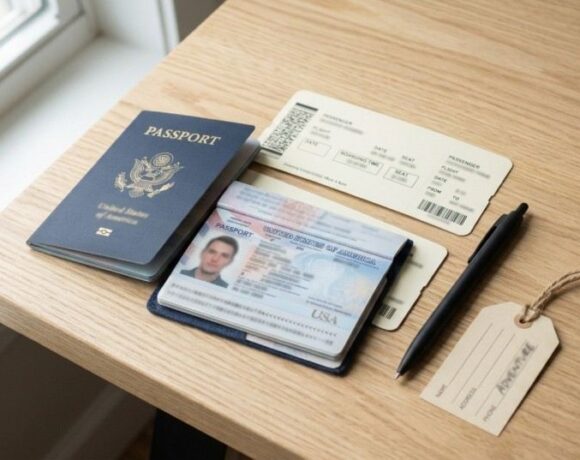
Quick answer: NRIs can join the Nau Devi Darshan tour with a valid OCI card (no separate visa needed) or a standard Indian visa if you don’t hold OCI/PIO. PIO cards alone are no longer accepted for travel to India as of January 1, 2026. All foreign nationals, including OCI holders, must also file a free Digital e-Arrival Card online within 72 hours of arrival. Full details, sources, and a complete packing checklist are below.
For most NRIs, the Nau Devi Darshan yatra isn’t just another trip on the calendar—it’s the one pilgrimage many families try to complete at least once in a lifetime. Nine sacred temples across Himachal Pradesh and Jammu, including Mata Vaishno Devi, in a single well-planned journey. But if you’re coming from the USA, UK, Canada, or the Gulf, the paperwork side of this trip has genuinely changed in the last year, and getting it wrong can mean being turned away at check-in before your trip even starts.
This guide walks through exactly what NRIs need—passport, OCI, the newly mandatory e-Arrival Card, and the full document checklist — so you can plan your Nau Devi Darshan tour package with confidence.
Can NRIs Join the Nau Devi Darshan Tour?
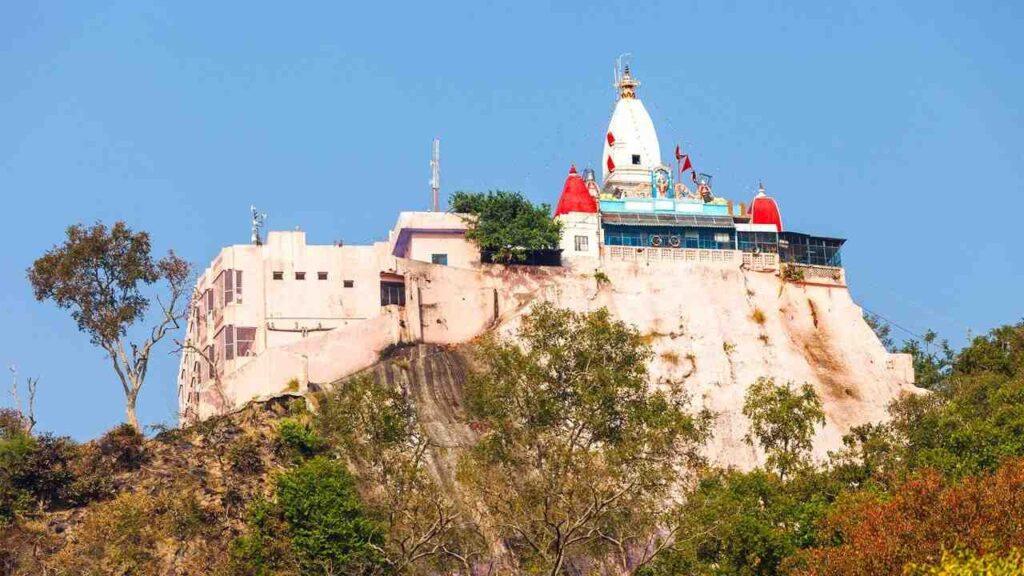
Yes—and it’s one of the most popular pilgrimage circuits among diaspora families specifically because it’s compact enough to fit into a two-week India trip. The 9 Devi Darshan tour package covers Mansa Devi, Naina Devi, Sheetla Devi, Chintpurni, Jwala Ji, Baglamukhi, Kangra Devi (Brijeshwari), Chamunda Devi, and Vaishno Devi over 7 nights and 8 days, with Amritsar’s Golden Temple and the Wagah Border ceremony added in. Whether you’re traveling solo, as a couple, or bringing elderly parents along, the itinerary is built to be manageable. The real preparation work happens before you land, not during the trip.
OCI vs PIO vs Indian Visa: What You Actually Need in 2026
This is the part that trips up even experienced NRI travelers right now, because the rules changed recently.
PIO cards are no longer valid travel documents
As of January 1, 2026, India’s Bureau of Immigration stopped accepting the Person of Indian Origin (PIO) card at border checkpoints entirely—even when it’s presented alongside a valid foreign passport. If you’re still holding a PIO card and haven’t converted it, you cannot use it to enter India, and airlines can deny you boarding under international passenger screening rules. If this applies to you, you have two options: apply for an OCI card or apply for a standard Indian visa before you travel. There’s no third path anymore.
OCI (Overseas Citizen of India) – Best Option
OCI cardholders are in the best position. The OCI functions as a lifelong, multiple-entry visa, so as long as your card is current, you don’t need a separate visa for this trip. A few 2026 updates are worth knowing. The six-month “ordinary residence” requirement for OCI applications filed from within India was removed in April 2026. The application process has also moved to a fully digital e-OCI system. And if you received your OCI as a minor, you’ll need to reissue it once you turn 20, since your biometrics need updating.
Indian Visa
If you don’t hold an OCI or a valid PIO, you’ll need a standard Indian visa—typically a Tourist visa, applied for online or through your nearest Indian consulate. Build in extra time here; visa processing can take a few weeks, and it should be one of the first things you sort out once your travel dates are set, well before you start locking in hotels or ground transport for the Nau Devi Darshan tour.
| Document | Still valid for entry? | What to do |
| OCI card | Yes | Confirm it’s current; no separate visa needed |
| PIO card | No, as of Jan 1, 2026 | Convert to OCI or apply for a visa |
| Indian passport | Yes | No visa required |
| No OCI/PIO/Indian passport | N/A | Apply for a standard Indian tourist visa |
The Digital e-Arrival Card: A New Mandatory Step
Here’s something that catches a lot of returning NRIs off guard. As of April 1, 2026, the old paper disembarkation form handed out on flights to India has been permanently discontinued. In its place, every foreign national — including OCI cardholders — must complete a Digital e-Arrival Card online before arriving in India. It’s worth flagging specifically for OCI holders. When this system first launched in October 2025, OCI cardholders were briefly announced as exempt. That exemption was reversed just three days later—so don’t assume your OCI gets you out of this step.
File it through the official Bureau of Immigration portal (indianvisaonline.gov.in/earrival) or the Su-Swagatam app. The window matters: submit within 72 hours of your scheduled arrival, not before—filing too early gets rejected just like filing too late. It takes about five minutes and generates a one-time QR code confirmation, so screenshot or save it immediately; the system won’t let you retrieve it again if you close the page. This is a hard requirement now, not a formality you can skip — airlines are increasingly checking compliance at check-in.
Complete Document Checklist for Your Trip
Once your entry documentation is sorted, here’s what to actually pack for the Nau Devi Darshan yatra itself:
- Valid passport — with at least six months’ validity remaining from your travel date
- OCI card or Indian visa — whichever applies to you, plus a photocopy kept separately from the original
- Digital e-Arrival Card confirmation — saved to your phone and printed as backup
- Passport-sized photographs — 4-6 copies, useful for hotel check-ins and any local registration
- Travel insurance documentation — foreign health insurance generally doesn’t cover you in India, so travel medical insurance is worth arranging separately
- Printed tour vouchers and hotel confirmations — even if everything is digital, a printed copy avoids issues in areas with patchy signal, which is common in the hill stretches of this itinerary
- A note of your tour operator’s contact details — including a local emergency number
- Some Indian currency in cash — for temple donations, small purchases, and areas where card payments aren’t reliable
Special Considerations for the Vaishno Devi Trek
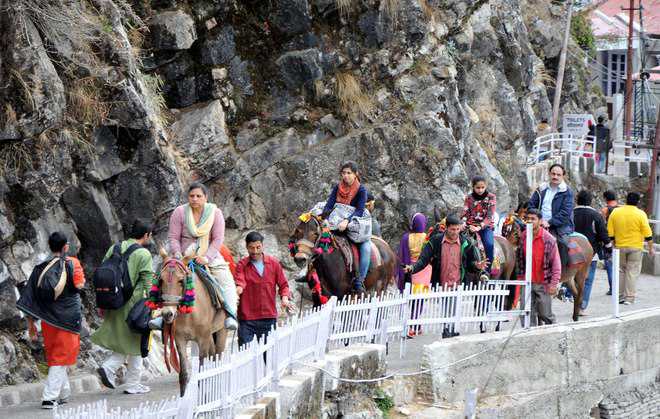
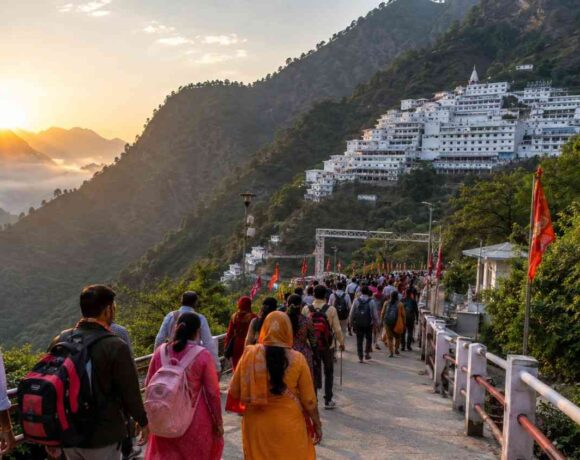
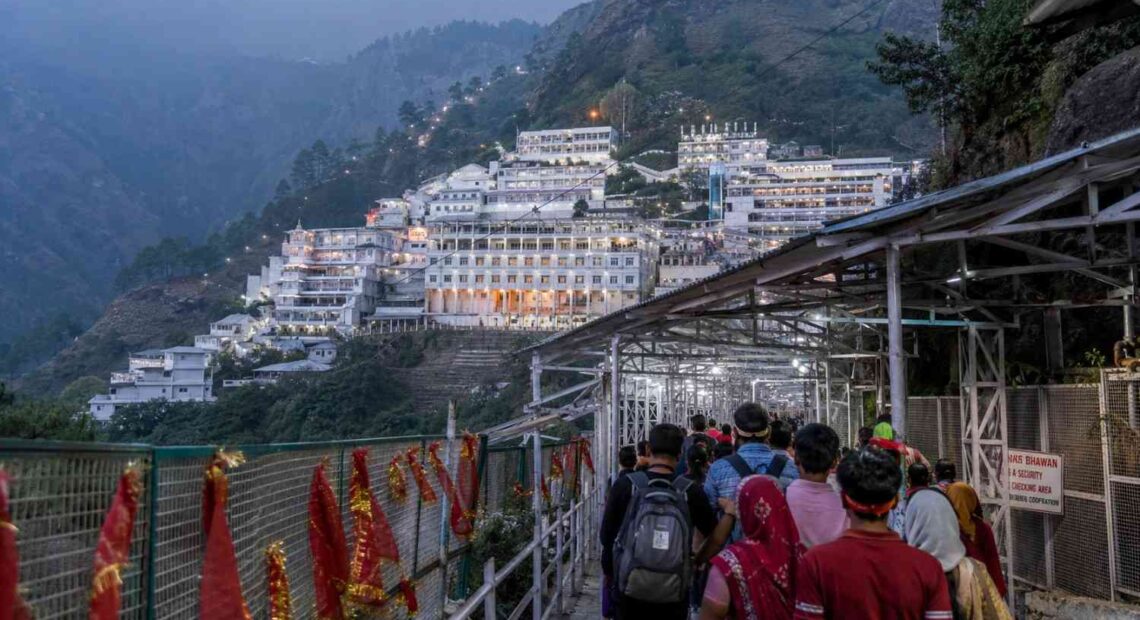
The Vaishno Devi leg deserves its own planning, since it’s the most physically demanding day of the trip. Registration is now handled through a mandatory RFID-based Yatra Access Card, issued by the Shrine Board. If possible, pre-register online at the official Shrine Board portal before you travel. This lets you skip the queue at the Katra counter. You simply exchange your printed or mobile slip for the physical RFID card on arrival. Bring a valid photo ID for this step—your passport or OCI card works. It’s checked at registration, and the card itself is scanned at checkpoints throughout the route.
If you’re traveling with elderly parents or anyone who can’t manage the roughly 13-14 km climb on foot, you’re not out of options — pony rides, palanquins (palki), battery-operated vehicles for part of the route, and helicopter services are all available and commonly used by NRI families making this trip specifically for their parents. It’s worth deciding on this in advance rather than figuring it out on the day, since availability (especially for helicopter slots) can be limited during peak season.
Booking Tips for NRI Families Planning From the USA

A few things that make this trip go smoother when you’re planning from abroad:
Book around Navratri deliberately, not accidentally
Both Chaitra and Sharad Navratri see the heaviest footfall at these temples, especially Vaishno Devi. If the spiritual significance of visiting during Navratri matters to your family, plan for it—but also expect larger crowds and book well ahead. If you’d rather avoid the rush, the shoulder months just before or after Navratri offer a calmer darshan with the same itinerary.
Confirm pricing in the currency you’re comparing correctly.
Since you’re planning from the USA, look for a tour operator who prices transparently in USD alongside INR, so you’re not doing mental currency math against a rupee-only quote.
Consider pairing this with a broader regional trip
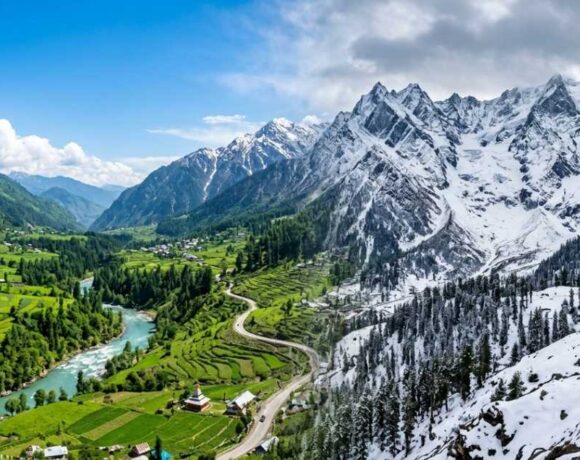
Since the itinerary already runs through Himachal Pradesh and Jammu & Kashmir, some families extend their stay to explore more of the region — worth looking at Himachal Pradesh travel packages or Jammu and Kashmir travel packages if you have extra days. And if Nau Devi Darshan isn’t quite the fit you’re looking for, browse the full range of pilgrimage tour packages for other circuits.
Work with an operator who’s done this for NRI families before
Document requirements, trek logistics, and family pace planning are all easier when your tour operator has actually handled this combination before, rather than a generic domestic itinerary adapted on the fly. YoYo Trips has run the Nau Devi Darshan circuit for NRI families for years, including groups bringing elderly parents on the Vaishno Devi trek—if you’d rather talk through your specific situation than plan it solo, reach out to our team.
A note on staying current: OCI, visa, and arrival-document rules are set by the Indian government and have changed more than once in the past year. We keep this page updated as rules shift, but always cross-check your specific situation against the official sources linked throughout this article before you travel.
FAQs
Q. Do OCI cardholders need a separate visa for the Nau Devi Darshan tour?
No. A valid OCI card functions as a lifelong multiple-entry visa, so no additional visa is needed—just complete the Digital e-Arrival Card before your flight.
Q. Can I still use my PIO card to travel to India?
No. PIO cards stopped being accepted as travel documents on January 1, 2026. You’ll need to convert to an OCI card or apply for a standard Indian visa.
Q. Is the Digital e-Arrival Card the same as an Indian visa?
No—it’s a separate, mandatory pre-arrival declaration required of all foreign nationals, including OCI holders. File it within 72 hours of your scheduled arrival. It replaces the old paper disembarkation form and doesn’t substitute for a visa or OCI.
Q. Can elderly parents complete the Vaishno Devi trek?
Yes, with the right planning. Pony, palki, battery car, and helicopter options are all available for those who can’t do the full climb on foot.
Ready to Plan Your Trip?
Once your documents are in order, the rest is just choosing dates and locking in your itinerary. Take a look at the full 9 Devi Darshan yatra itinerary for the day-by-day plan, pricing, and inclusions, or get in touch with our team if you’d like help customizing the trip around your family’s needs.

YoYo Trips India Editorial Team is a group of travel experts and content creators who publish well-researched guides, itineraries, and travel tips across India, helping travelers plan smooth and memorable trips.