Ask most international travelers where the world’s great wine regions are, and you’ll hear Napa, Bordeaux, Tuscany. Few will mention India. Yet tucked into the hills of Maharashtra, about four hours from Mumbai, sits Nashik district — a region that now produces more than half of the country’s wine and has quietly built a tasting-room culture that rivals destinations twice its age.
We’ve run tours through this region for years, taking travelers from vineyard verandas to temple courtyards in the same afternoon, and it remains one of the most underrated additions to an India itinerary. This guide covers what makes Nashik’s wine country worth a detour, which vineyards are worth your time, and how to build it into a broader trip through Maharashtra.
Why Nashik Became India’s Wine Capital
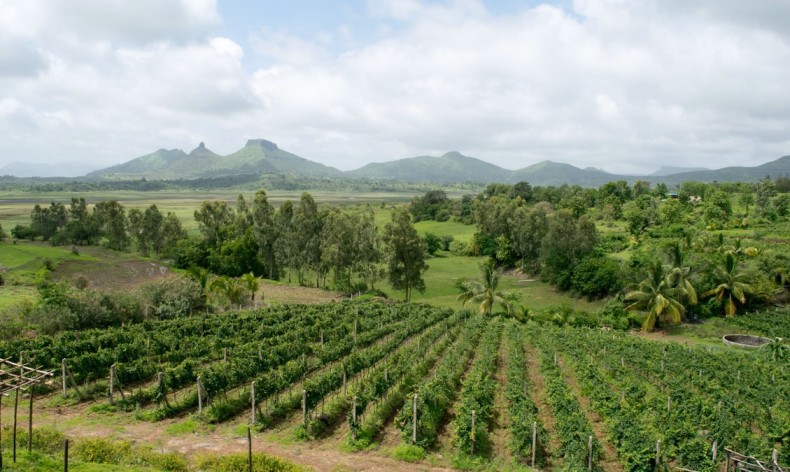
Nashik’s rise as a wine region isn’t an accident of marketing — it’s geography. The district sits at roughly 2,000 feet above sea level on the Deccan Plateau, with volcanic-basalt soil, moderate rainfall, and a diurnal temperature swing that keeps grapes from ripening too fast. Warm days build sugar; cool nights preserve acidity. It’s the same basic formula that makes classic wine regions abroad work — much like California’s Napa Valley, Nashik built its reputation on ideal terroir rather than tradition alone.
Commercial winemaking here really took off in the late 1990s, when Sula Vineyards planted its first vines in 1997 and released its first vintage in 2000. What followed was a wave of smaller wineries opening across the district, and by the 2010s Nashik had earned the nickname “the wine capital of India.” Today it’s home to more than 20 wineries producing everything from crisp Chenin Blanc to structured Shiraz and Cabernet Sauvignon.
Top Vineyards to Visit in Nashik
Sula Vineyards
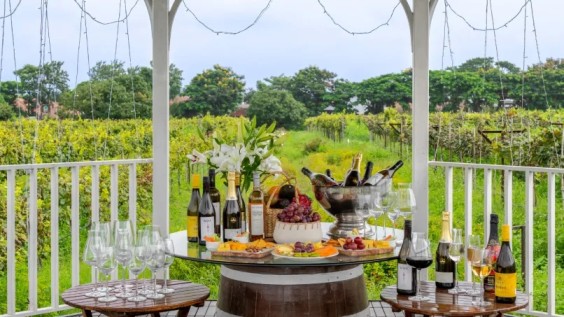
Sula is where most people start, and for good reason. It’s the largest and most visited winery in India, with a proper tasting room, an amphitheater that hosts the annual SulaFest, and a restaurant overlooking the vines. Tastings typically run through five or six wines, from their signature Sauvignon Blanc to their sparkling Brut. It’s polished and tourist-ready, which makes it a good first stop if you’re new to vineyard visits.
York Winery
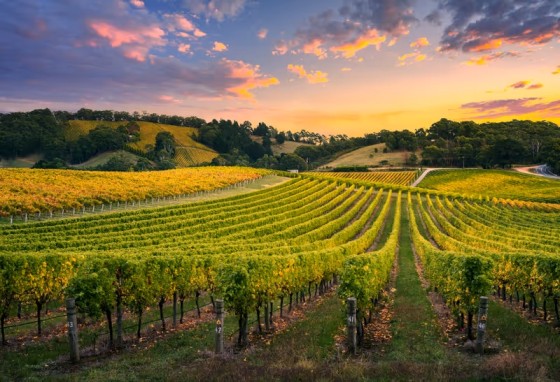
Set on a hilltop with some of the best sunset views in the district, York Winery has a more relaxed, boutique feel than Sula. The tasting room is smaller, the pace is slower, and the staff tends to spend more time walking guests through what’s in the glass — useful if you want context, not just a pour.
Vallonné Vineyards
Vallonné leans into a French country aesthetic, with stone architecture and manicured grounds that feel more European than Deccan Plateau. If the style has you thinking about French wine styles before you even taste, that’s the point — it’s a good stop for travelers who want a quieter, more scenic tasting experience away from the bigger crowds at Sula.
Soma Vineyards and Zampa Wines
Both Soma Vine Village and Grover Zampa are smaller producers offering more personal, guided tastings — often with the winemaker or a senior staff member walking you through the process rather than a scripted tour. If you want to understand how Indian wine is actually made, these two are worth the extra stop.
What to Expect on a Nashik Wine Tour
A typical guided day covers two to three wineries, a tasting session at each, and lunch at one of the vineyard restaurants — Sula’s Little Italy is a common stop. Most day tours from Mumbai run 10 to 12 hours door to door, including roughly 3.5 to 4 hours of driving each way, which is why an overnight stay in Nashik is worth considering if you want a slower pace.
Tasting fees usually run a few hundred rupees per winery and include four to six pours. Transport, a guide, and winery entry are generally bundled into a package rate rather than paid separately, which is worth confirming before you book. Our Maharashtra travel packages build Nashik wine tastings into broader Maharashtra itineraries, so you’re not organizing transport and bookings across multiple wineries on your own.
Beyond the Vineyards: Nashik’s Spiritual Side
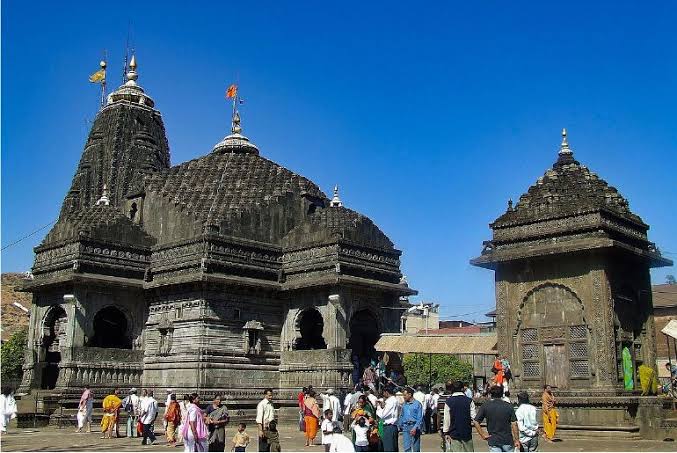
What makes Nashik genuinely unusual as a wine destination is what sits right next to the vineyards. This is also one of Hinduism’s most significant pilgrimage towns — home to the Trimbakeshwar Jyotirlinga temple, the Panchavati area linked to the Ramayana, and the sacred Ramkund ghat on the Godavari River. It’s rare to find a wine region where a vineyard tasting and a temple visit fit into the same day without feeling mismatched, but in Nashik that contrast is the point. A morning at Trimbakeshwar followed by an afternoon tasting at York Winery gives you a fuller picture of the district than either experience alone.
Best Time to Visit Nashik for Wine Tourism
October through March is the window most wineries recommend, when daytime temperatures are mild and outdoor tasting patios are actually comfortable. January and February bring the added draw of SulaFest, a multi-day music and wine festival that turns the Sula amphitheater into the district’s biggest annual event. Harvest season, typically February to March, is also when some wineries offer grape-stomping and harvest-related activities if you time your visit right. Summer months (April onward) get hot enough that most travelers skip the region entirely until the weather cools again.
How to Get to Nashik From Mumbai and Pune
Nashik sits about 165 km (roughly 3.5 to 4 hours by road) from Mumbai and a similar distance from Pune. Most international travelers reach it as a day trip or overnight add-on from Mumbai, either by private car or as part of a guided tour. There’s also a rail link and a small domestic airport with limited connectivity, though road transport remains the most practical option for most itineraries.
If you’re already building a Mumbai stop into your trip, our Mumbai tour package can be paired with a Nashik day trip, so you’re covering the city’s landmarks and the wine country in a single regional visit rather than treating them as separate trips.
Wine Tasting Etiquette for First-Time Visitors
If you haven’t done a structured vineyard tasting before, a few basics help: most tasting rooms ask you to hold the glass by the stem (keeps your hand heat off the wine), take a small sip rather than a gulp, and it’s completely normal to spit or pour out what you don’t finish, especially if you’re tasting at multiple wineries in one day. Reservations are recommended at Sula, especially on weekends, and are a good idea at the smaller wineries too since group sizes are limited. If you’re new to comparing wine styles and want a primer before you go, this guide to the best Italian wines is a useful reference point for understanding structure, body, and tasting terminology that applies just as well to Indian wines.
Bringing a Bottle Home
Most Nashik wineries sell bottles directly from their tasting rooms, and it’s a popular way to bring a tangible piece of the trip home — either for yourself or as a gift for someone who couldn’t make it. If you’re flying internationally, check your airline’s duty-free allowance for alcohol before you buy, since limits vary by country and by how many bottles you’re carrying in checked luggage.
Sample 2-Day Nashik Wine Itinerary
Day 1
- Morning: Depart Mumbai, arrive Nashik by early afternoon
- Afternoon: Sula Vineyards tasting and lunch at Little Italy
- Evening: York Winery for sunset tasting
- Overnight in Nashik
Day 2
- Morning: Trimbakeshwar Temple and Panchavati
- Midday: Vallonné Vineyards tasting
- Afternoon: Depart for Mumbai
This pace keeps each day manageable without rushing between wineries, and it leaves room to extend into a longer Maharashtra trip if you have the time.
Final Thoughts
Nashik won’t replace Bordeaux or Napa on anyone’s bucket list, and it doesn’t need to. What it offers is something those regions can’t: a wine country trip layered with temple towns, riverside ghats, and a wine industry still young enough that the people pouring your glass are often the ones who planted the vines. For travelers building an India itinerary that goes beyond the usual Golden Triangle, it’s a detour worth making.
Our Maharashtra tour packages can help you build Nashik into a wider Maharashtra itinerary — whether that’s paired with Mumbai’s city sights, the hill stations of Lonavala and Mahabaleshwar, or a longer cultural and wine-focused route through the state, as outlined by Maharashtra Tourism. Get in touch with our travel planning team to customize a trip around your dates and interests.
Frequently Asked Questions
Is Nashik known as India's wine capital?
Yes. Nashik produces more than half of India’s wine and is home to over 20 wineries, a reputation it built starting in the late 1990s when Sula Vineyards released its first vintage.
How far is Nashik from Mumbai?
Nashik is about 165 km from Mumbai, roughly a 3.5 – to 4-hour drive, making it a feasible day trip or overnight add-on for travelers based in Mumbai.
What is the best time to visit Nashik for wine tourism?
October through March, when the weather is mild. January and February also bring SulaFest, an annual wine and music festival held at Sula Vineyards.
Which wineries should first-time visitors prioritize?
Sula Vineyards is the most established and tourist-ready option. York Winery and Vallonné Vineyards offer quieter, more scenic alternatives for travelers who want a slower pace.
Can Nashik be combined with other parts of Maharashtra in one trip?
Yes. Nashik pairs naturally with Mumbai, and with hill stations like Lonavala and Mahabaleshwar, as part of a broader Maharashtra itinerary.

YoYo Trips India Editorial Team is a group of travel experts and content creators who publish well-researched guides, itineraries, and travel tips across India, helping travelers plan smooth and memorable trips.